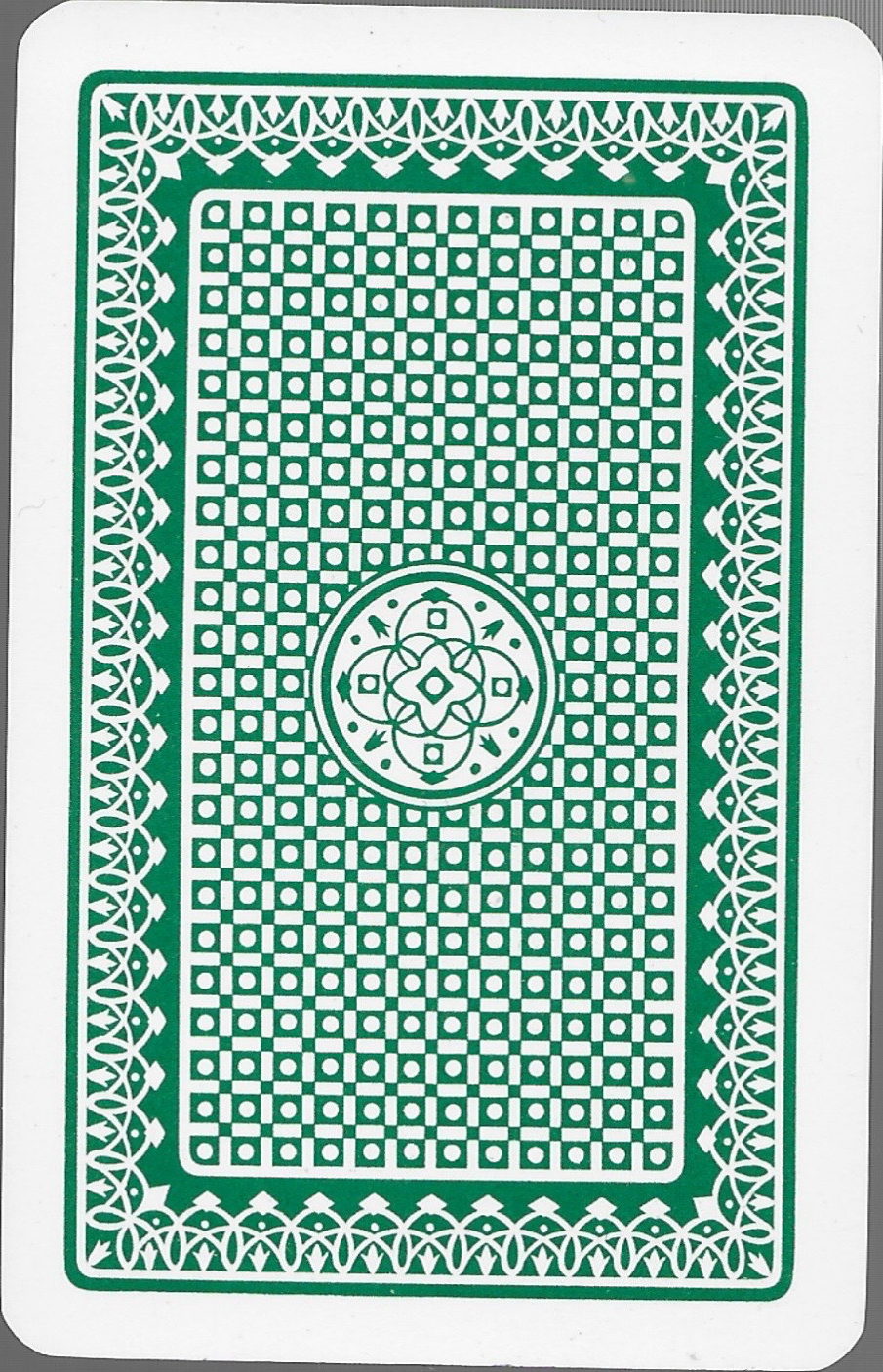
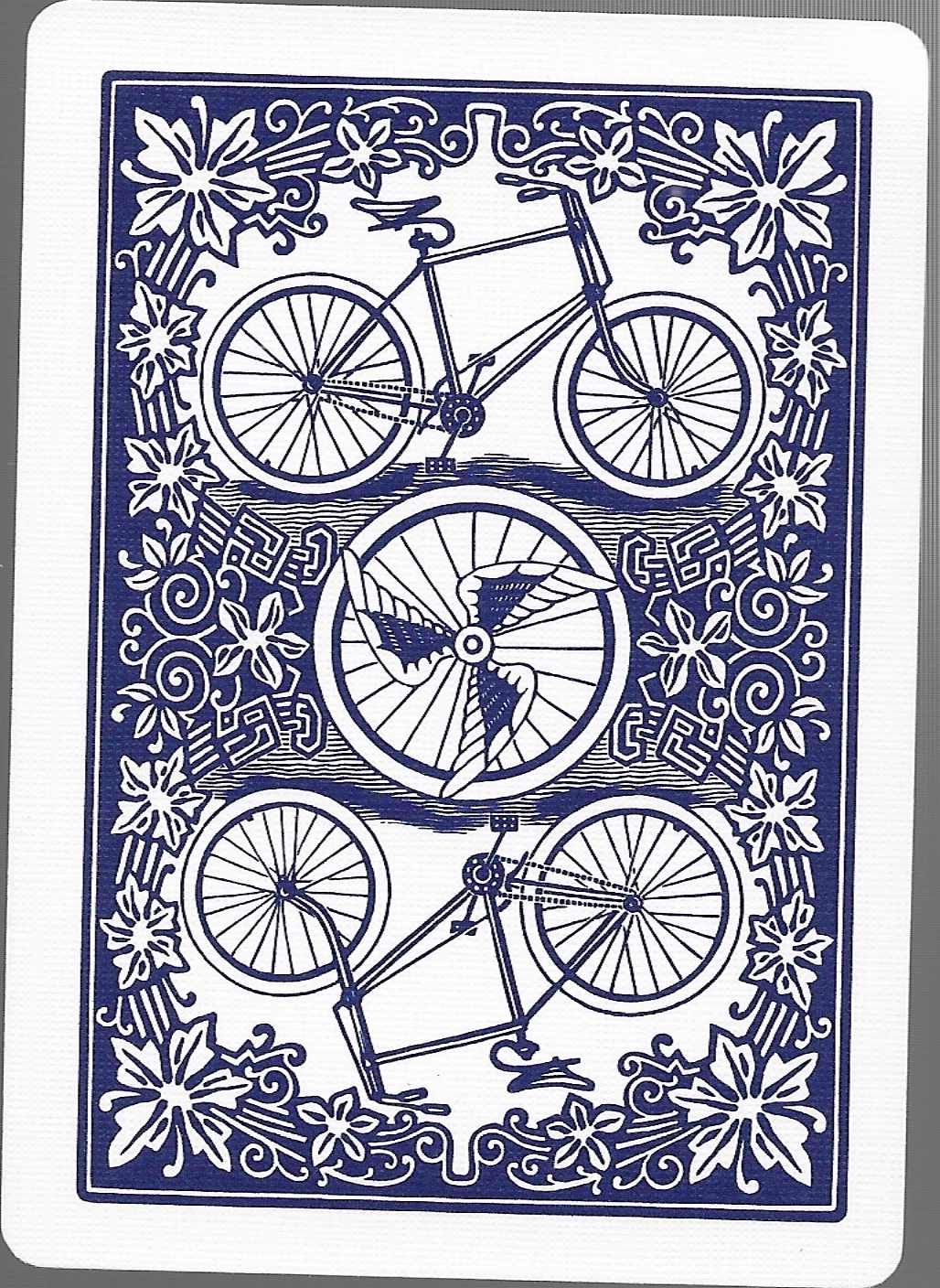
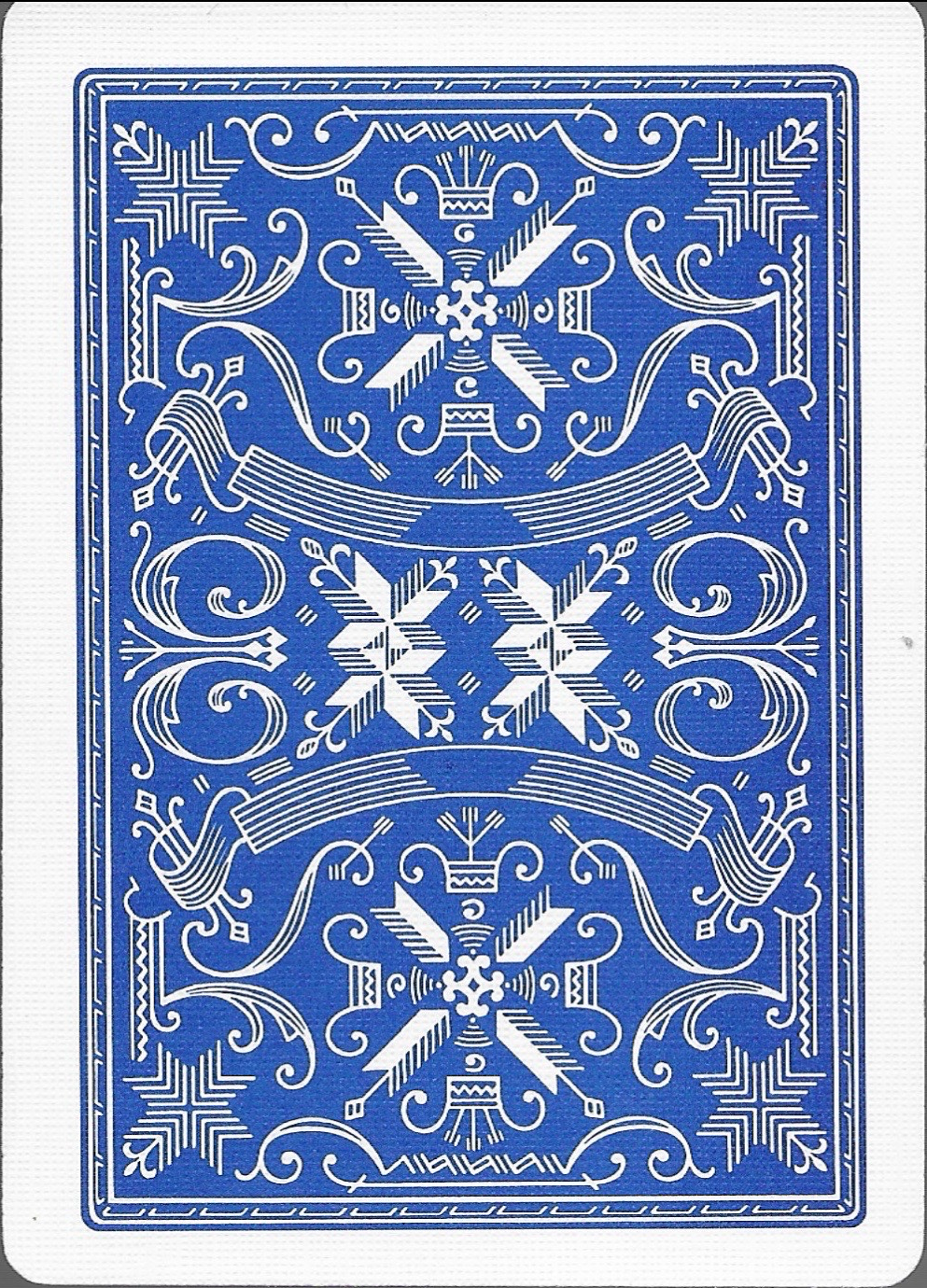
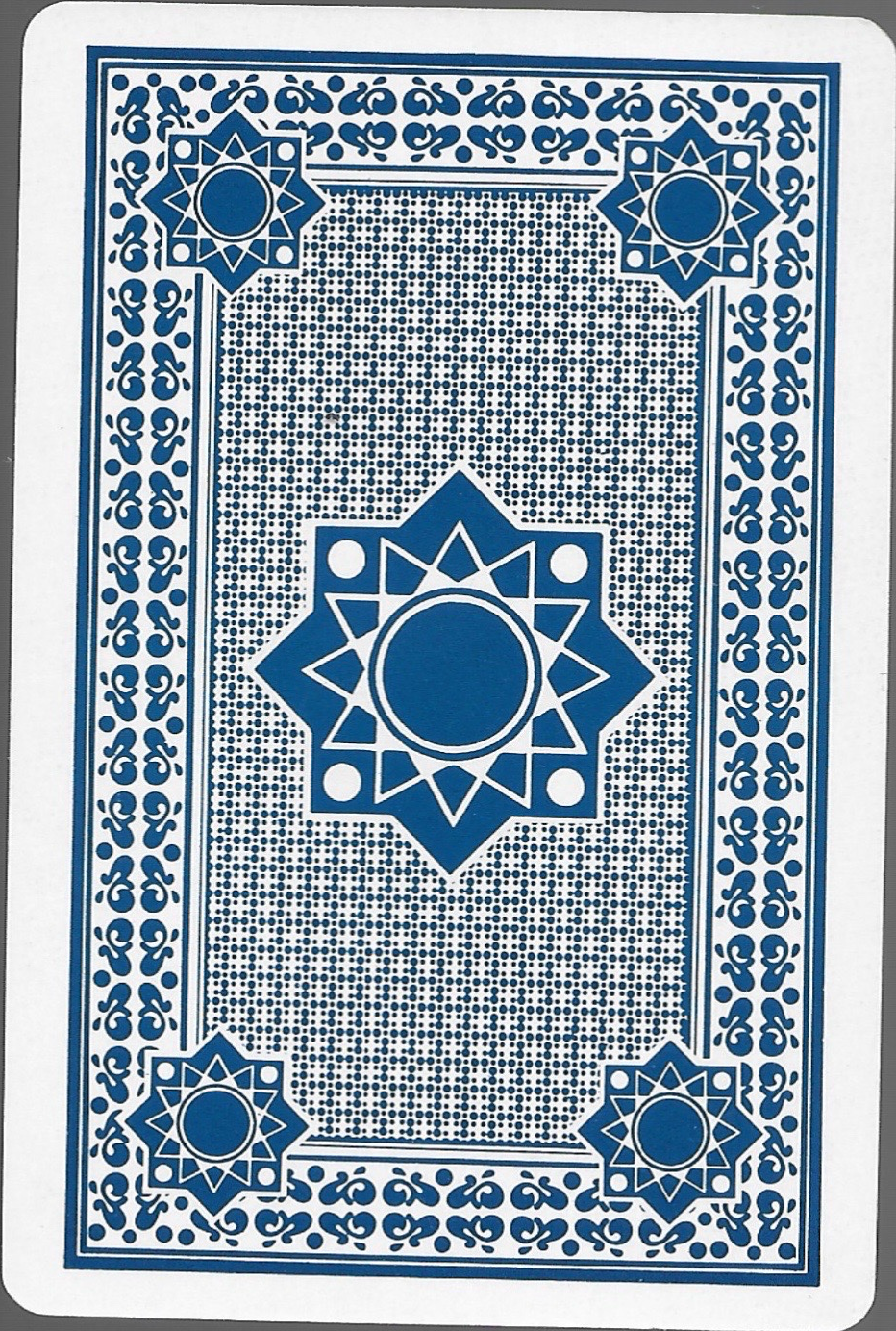
How often do we notice small variations in ubiquitous things? Probably not very often.
After all, how many of us stop to consider that even the most ordinary objects have been designed by someone who had to make decisions about layout, typography, spacing, and seventeen other things we will never consciously note?
Well, probably the 1% of us staring at the receipt in the drive-through line and thinking, Huh. Why did they add so much spacing there? I'm glad to know that my cashier's name is Stacy, but was Stacy the person who took my order?
Most of us don't spend much time thinking about these things, let alone collecting examples of them. We generally acquire what we need (maybe, a bit of what we don't). But, there are always exceptions.
This tangent is all just to say that small variations in everyday objects are fascinating (!!!), and I think they deserve a little more attention than they typically receive.
Someone, somewhere, made a series of decisions about how these objects should look. And someone somewhere else made slightly different ones. The result is a world full of tiny design variations that most of us will never notice, because we have other things to do. Like read the receipt.
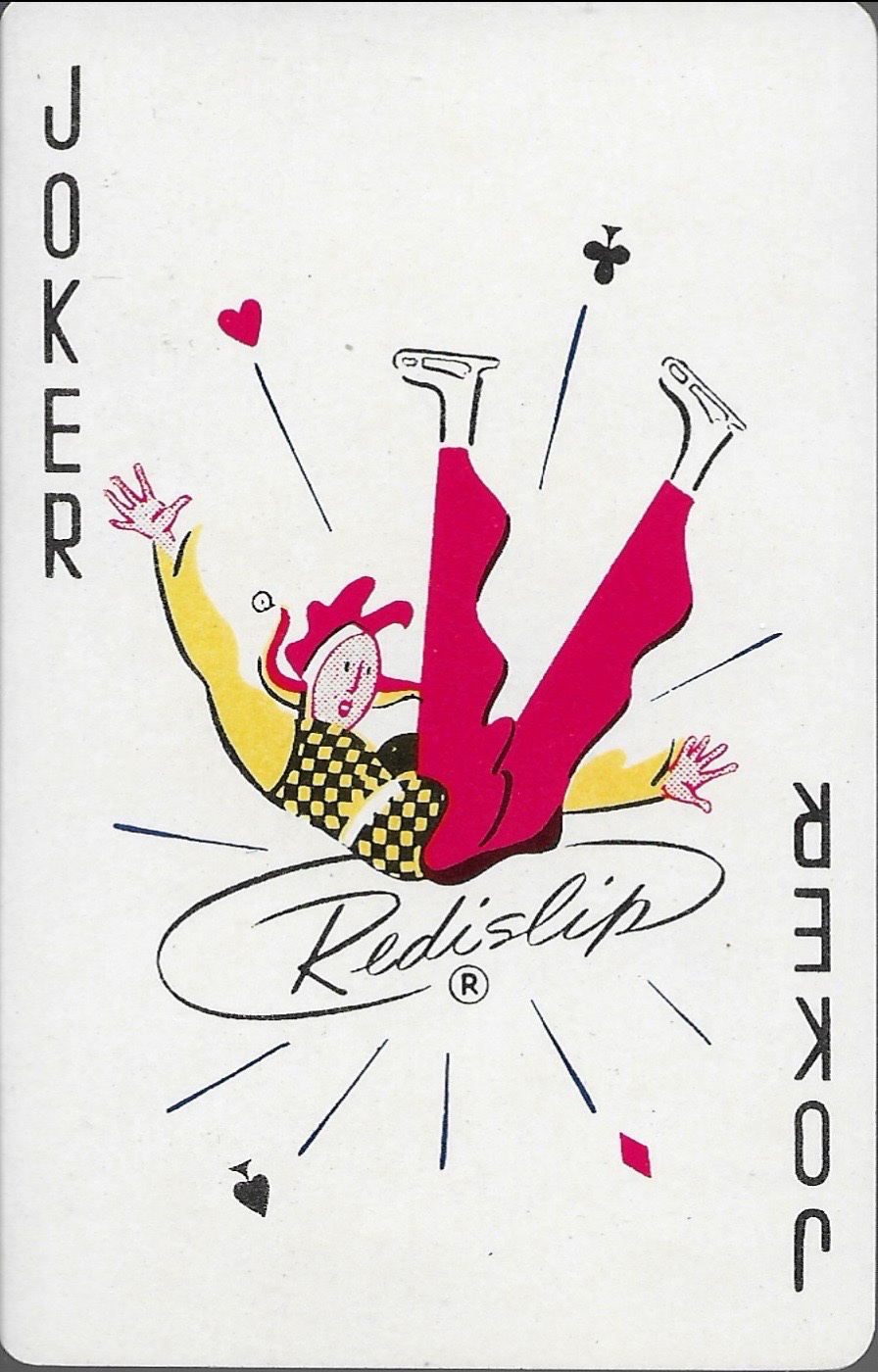
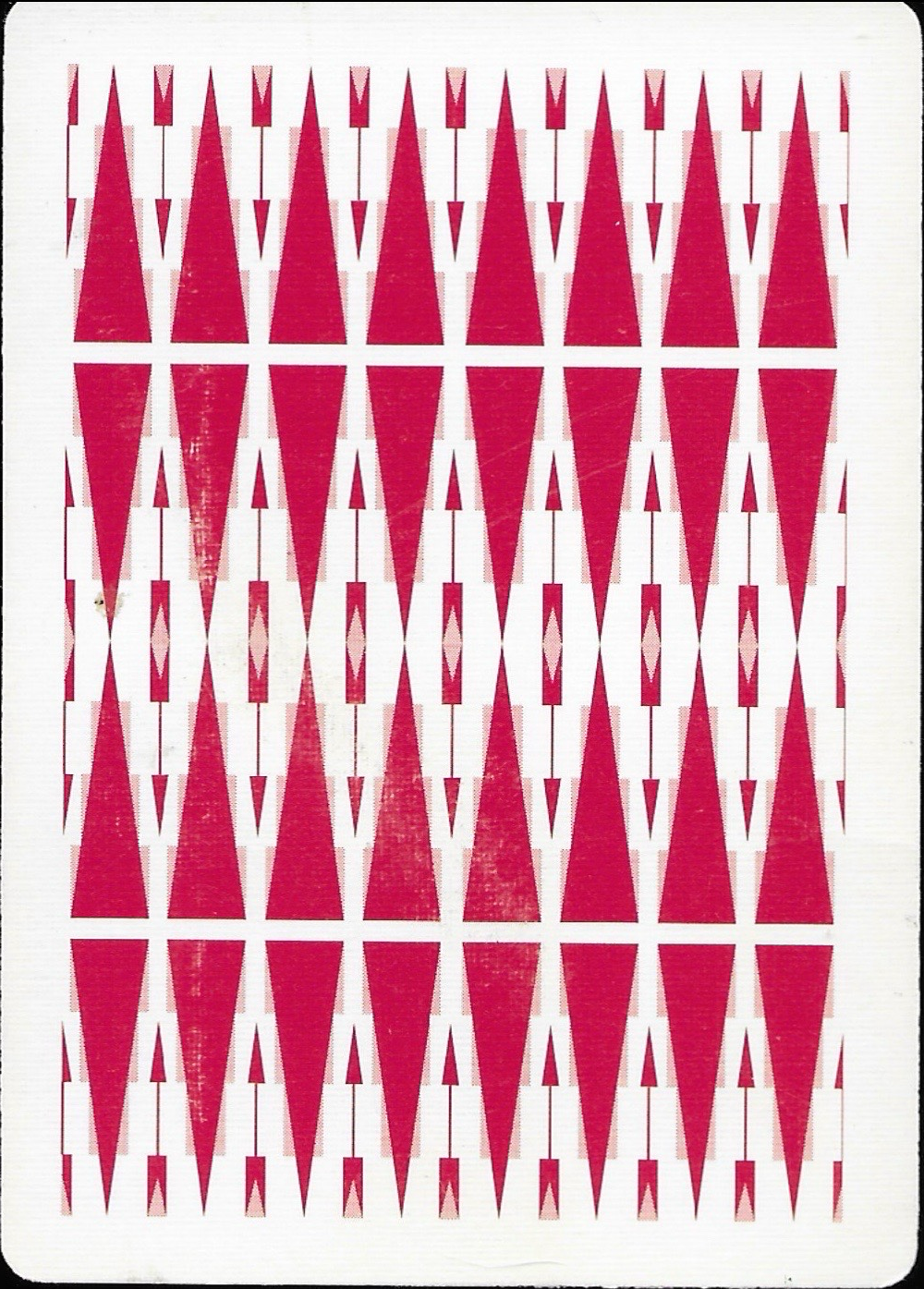
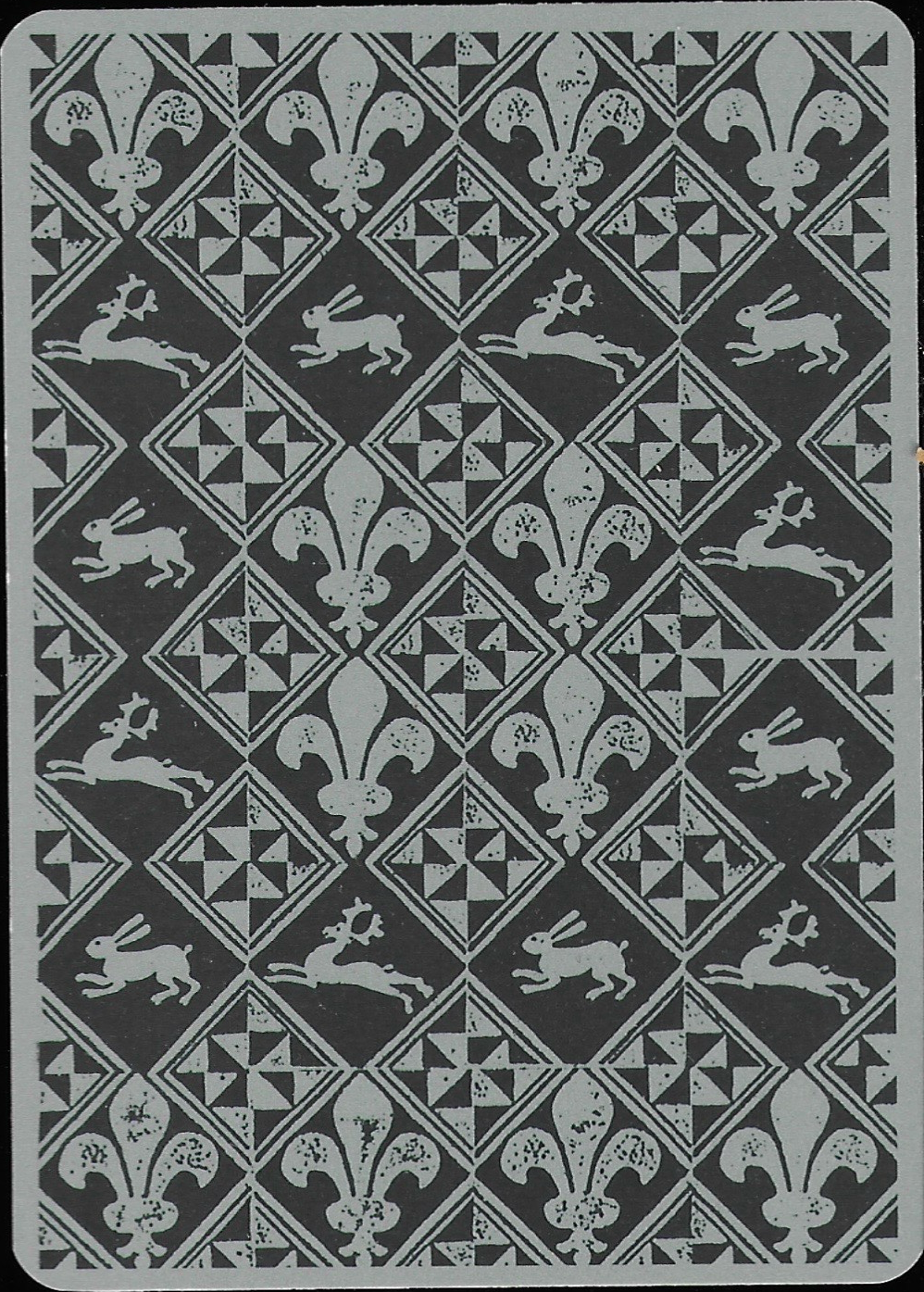
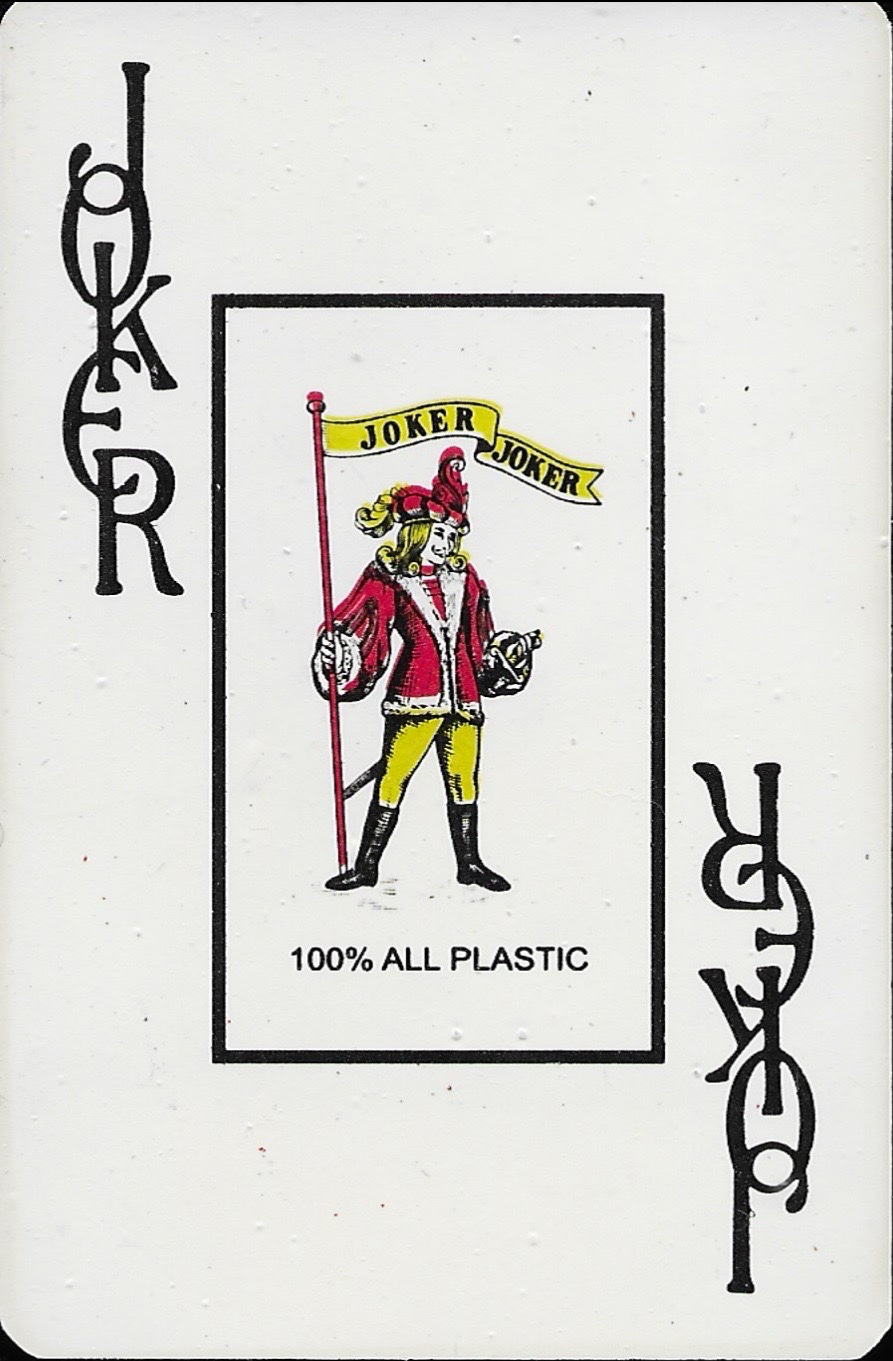
So, in the interest of documenting these otherwise overlooked differences in one small corner of the internet, I have acquired a collection of thrifted playing cards (definitely not hoarded them). I have also scanned all the unique face cards so that we can examine their differences side by side for an entirely unnecessary archive of playing card design.
Please enjoy the collection, and my thoughts below.
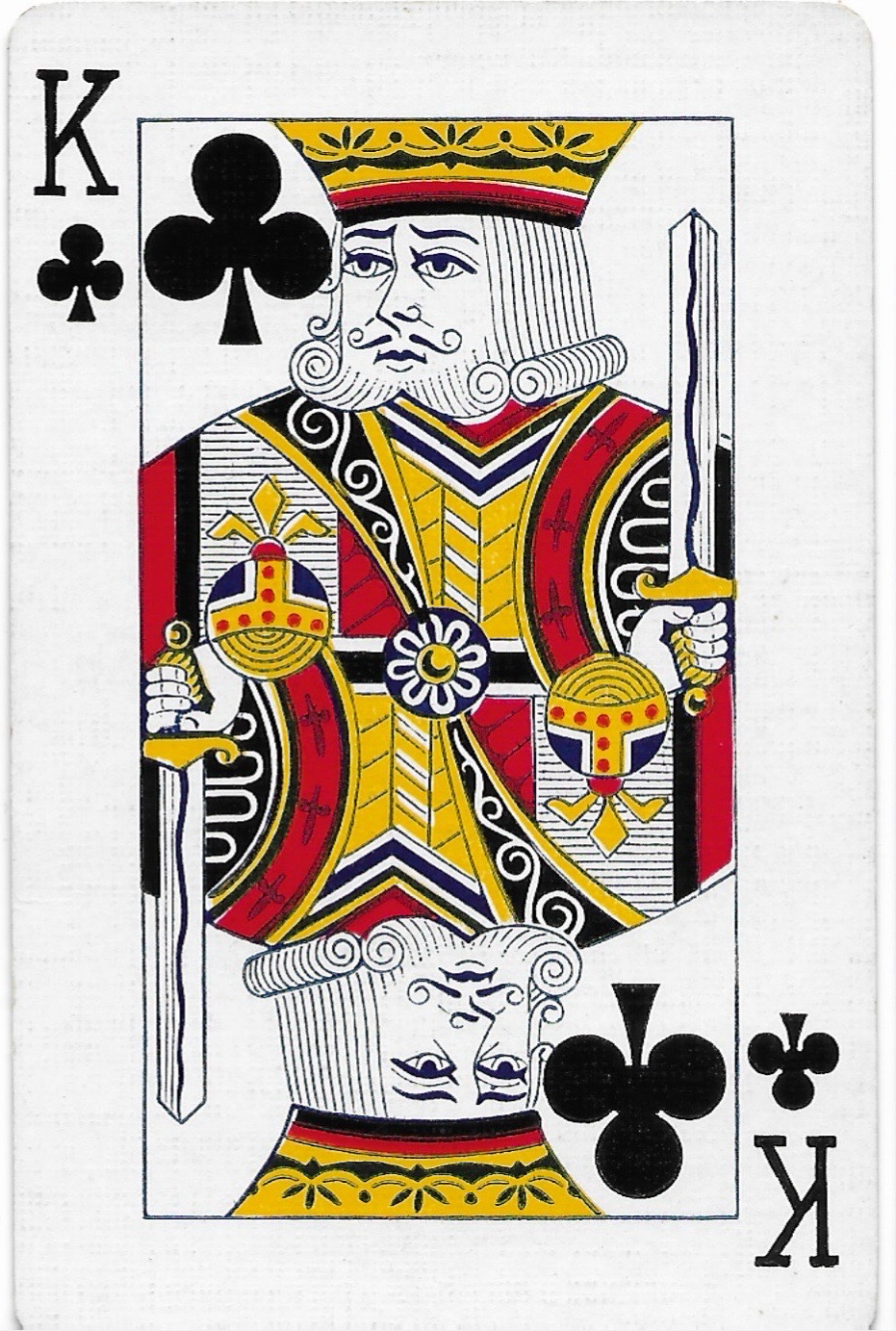
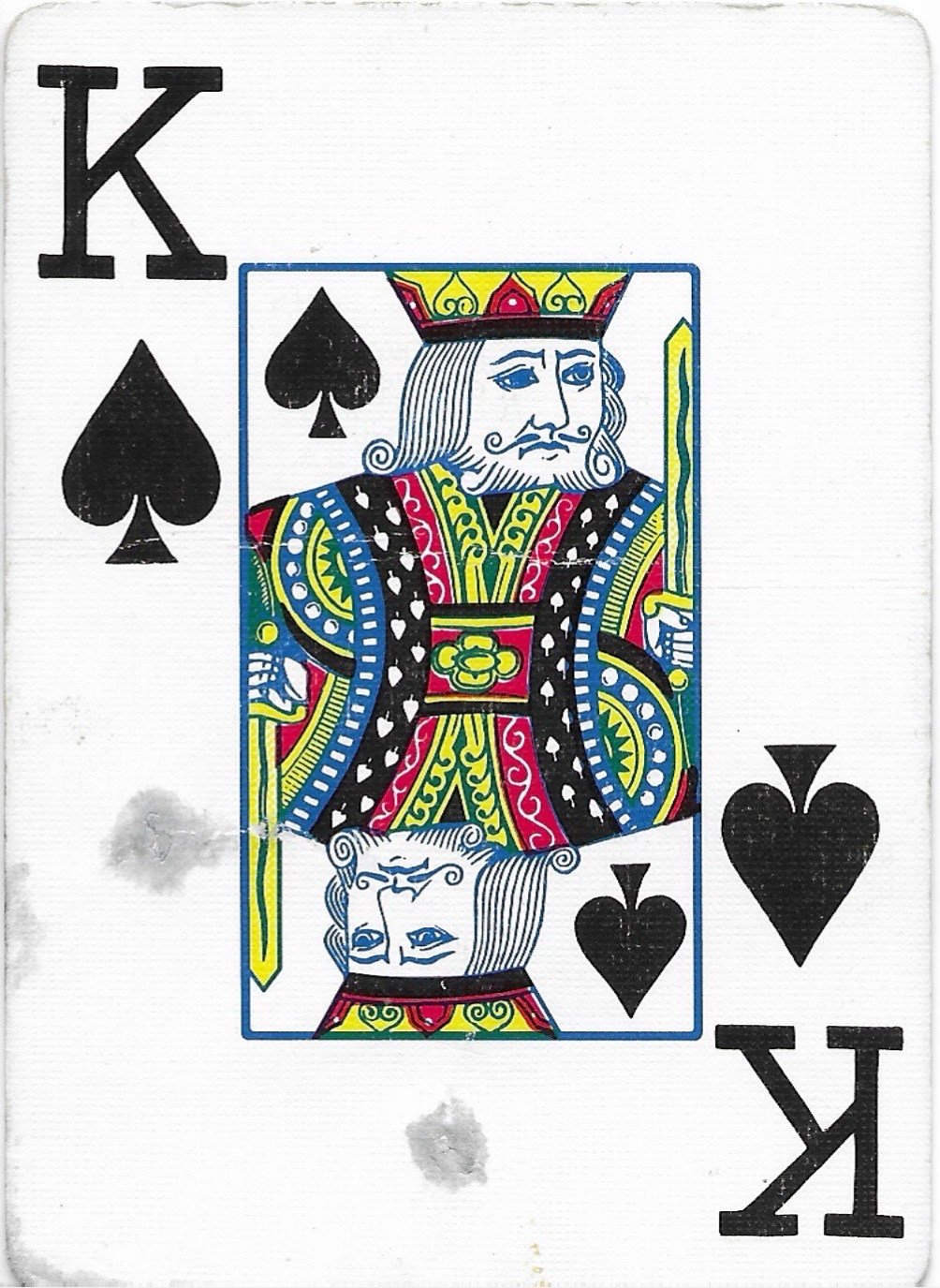
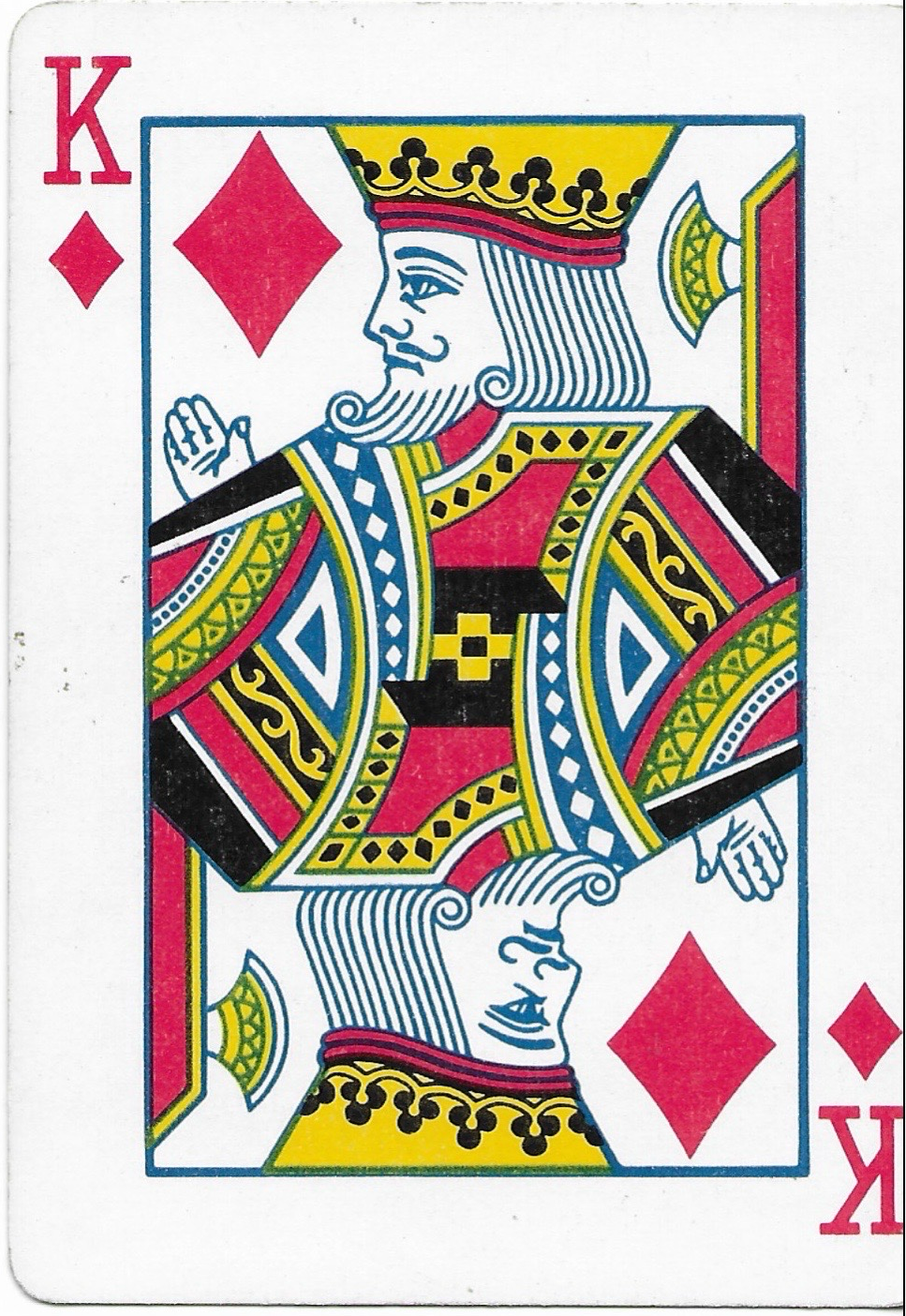
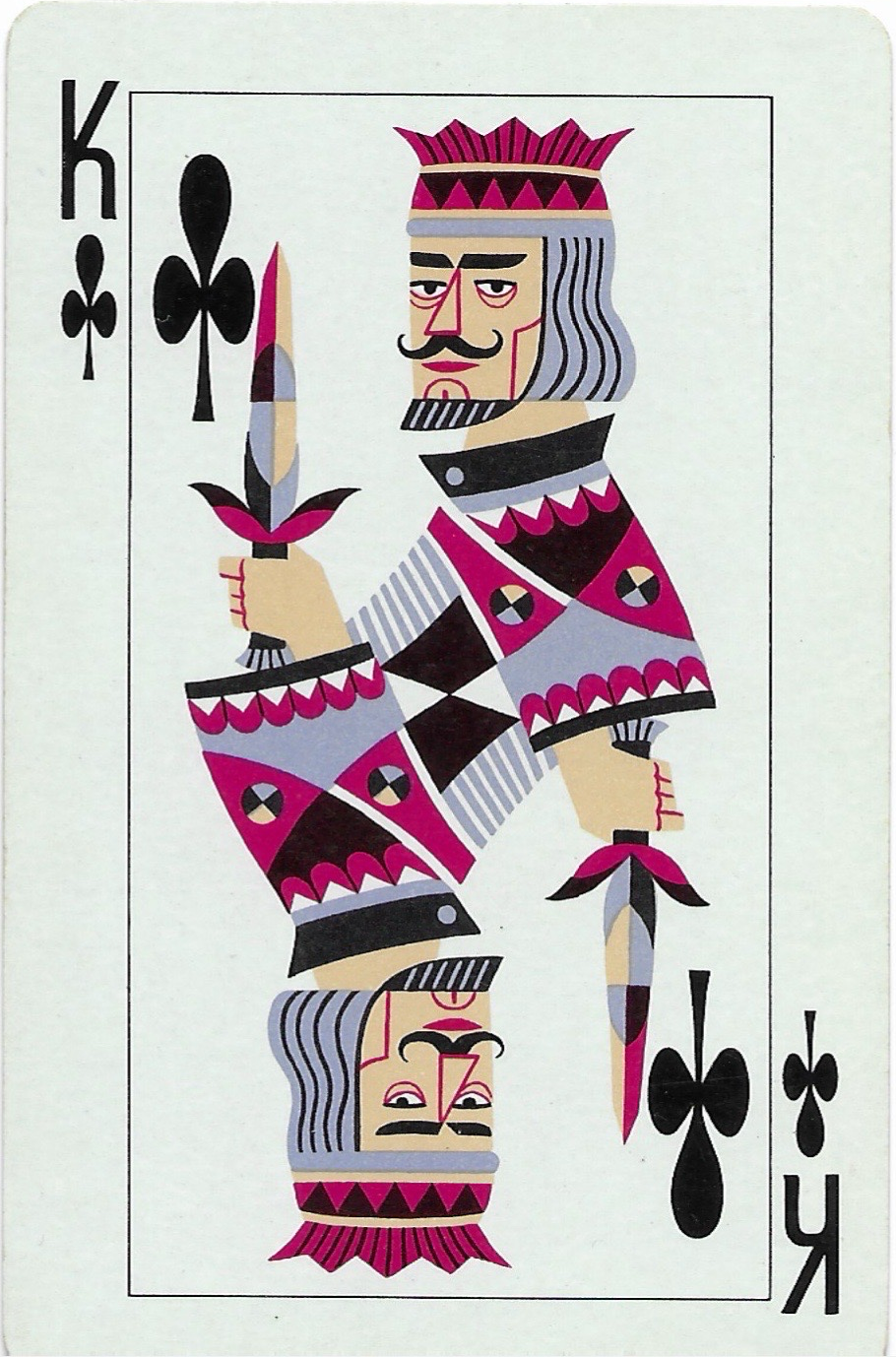
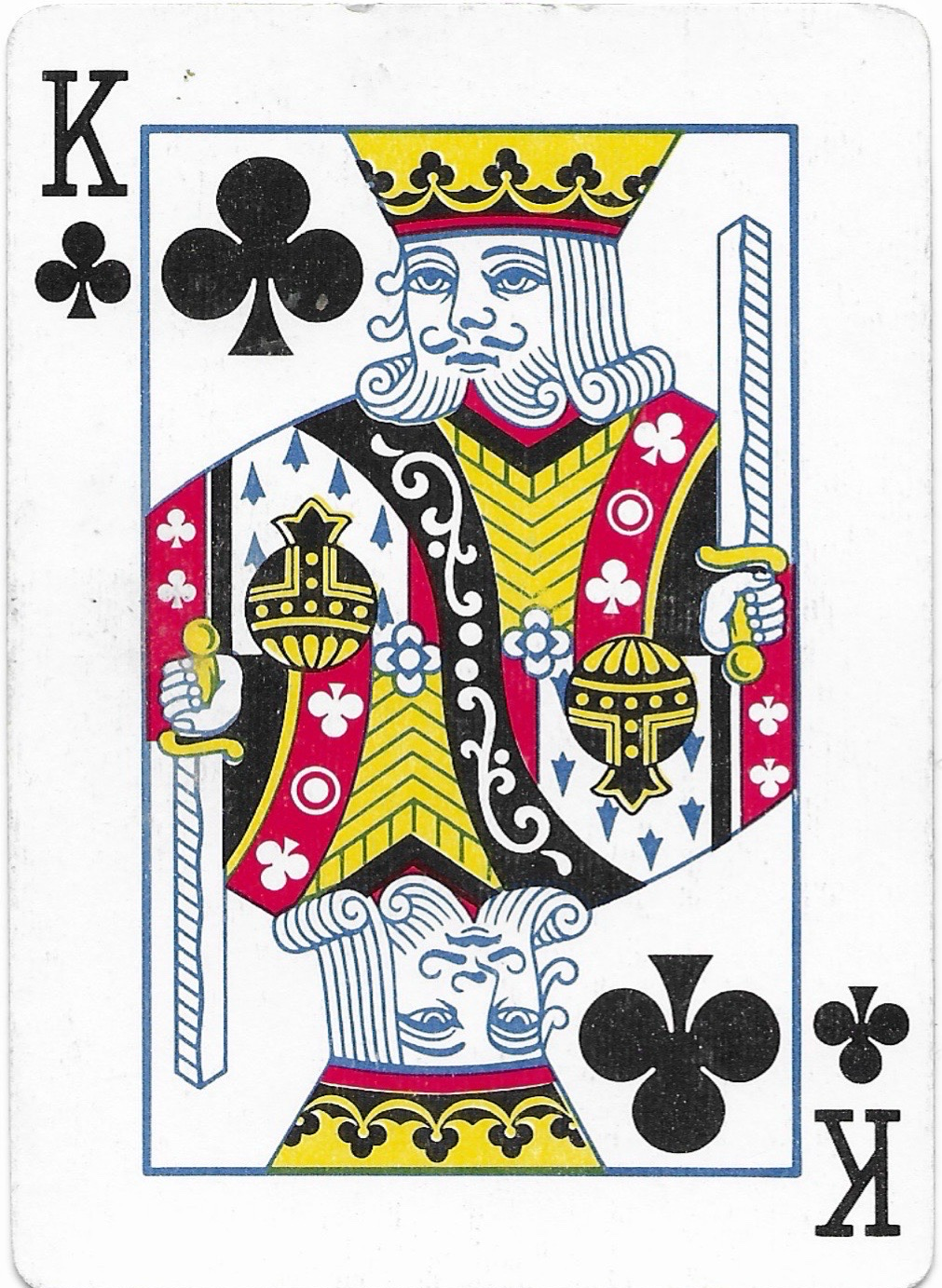
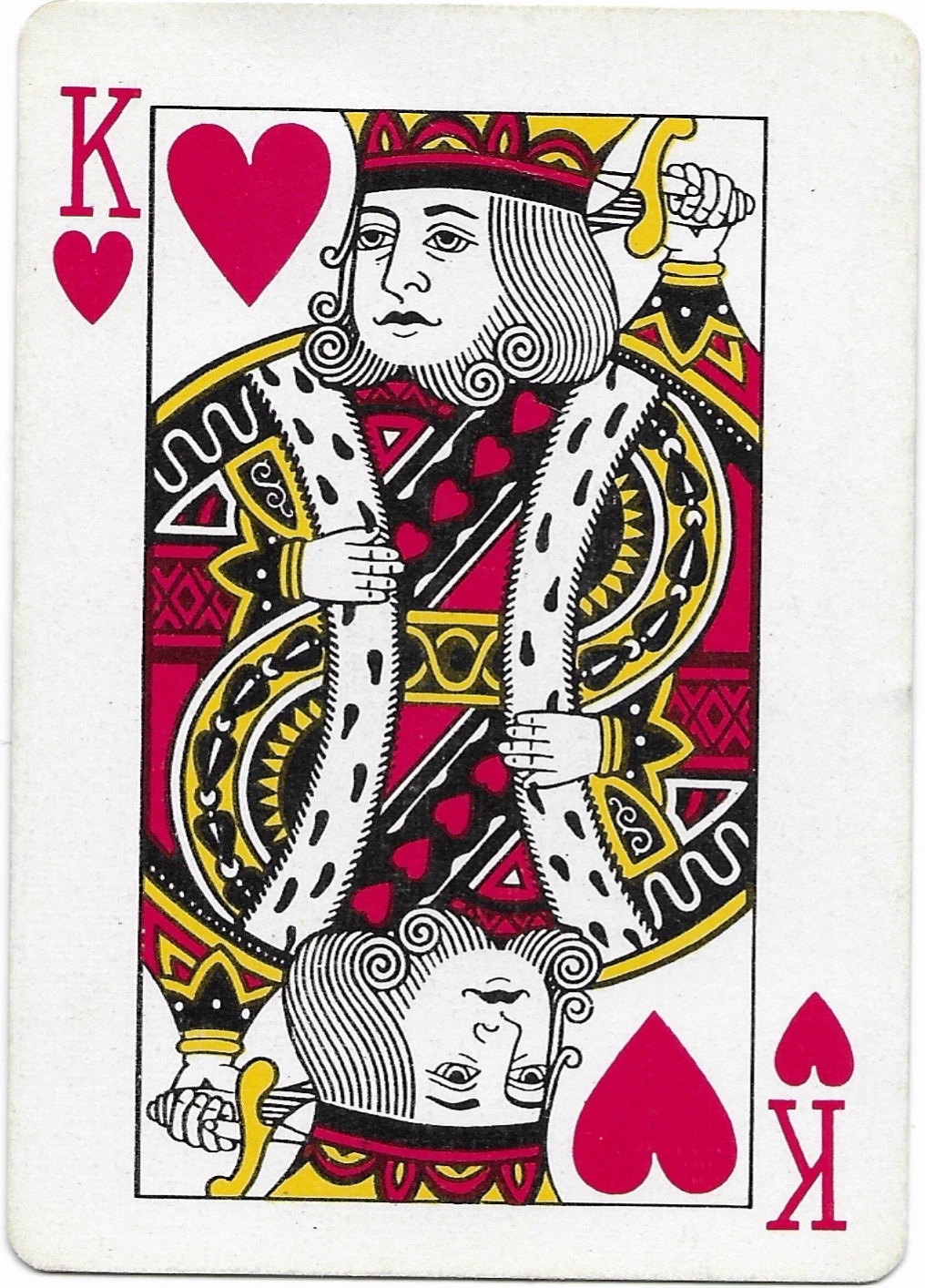
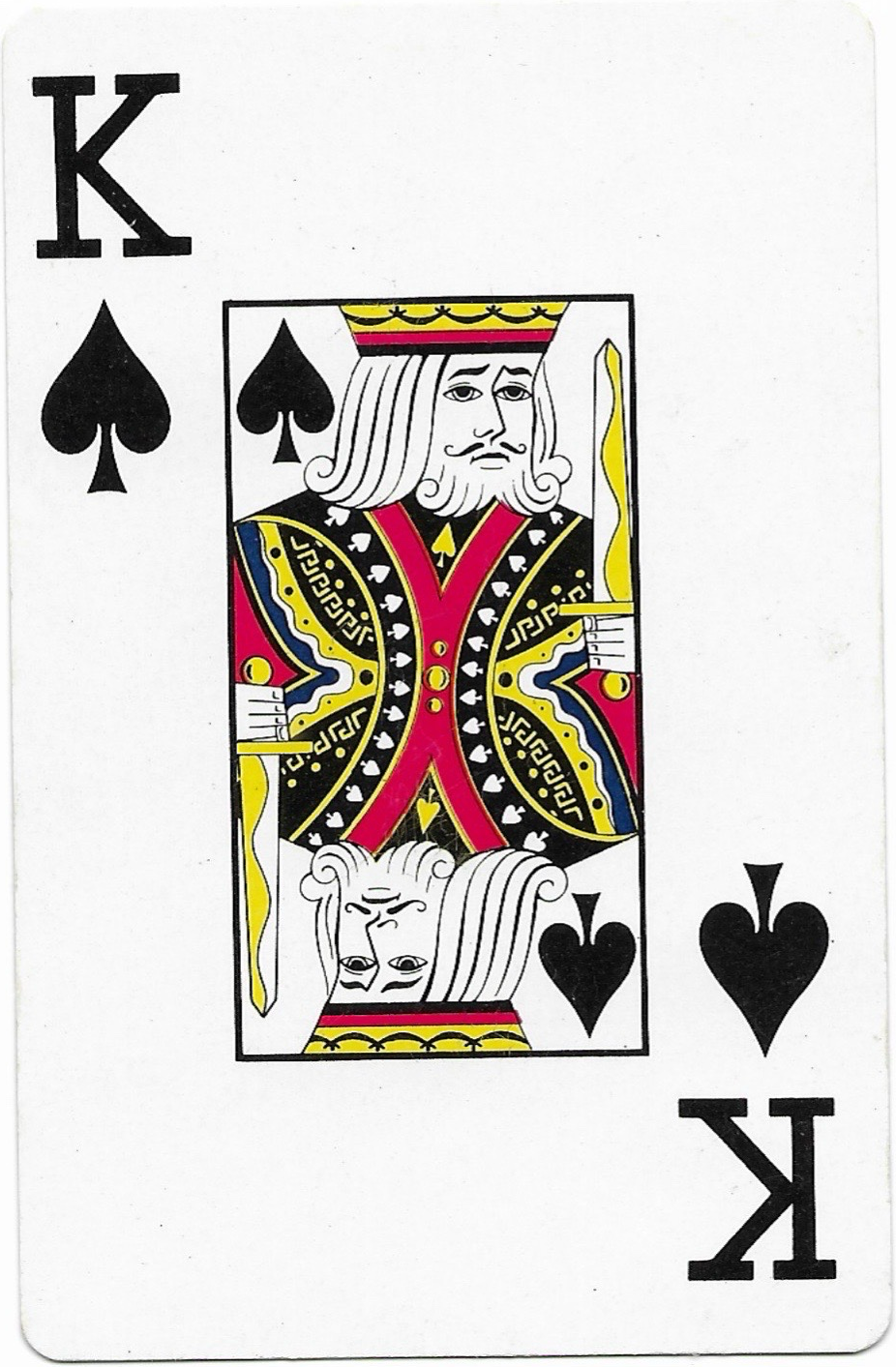
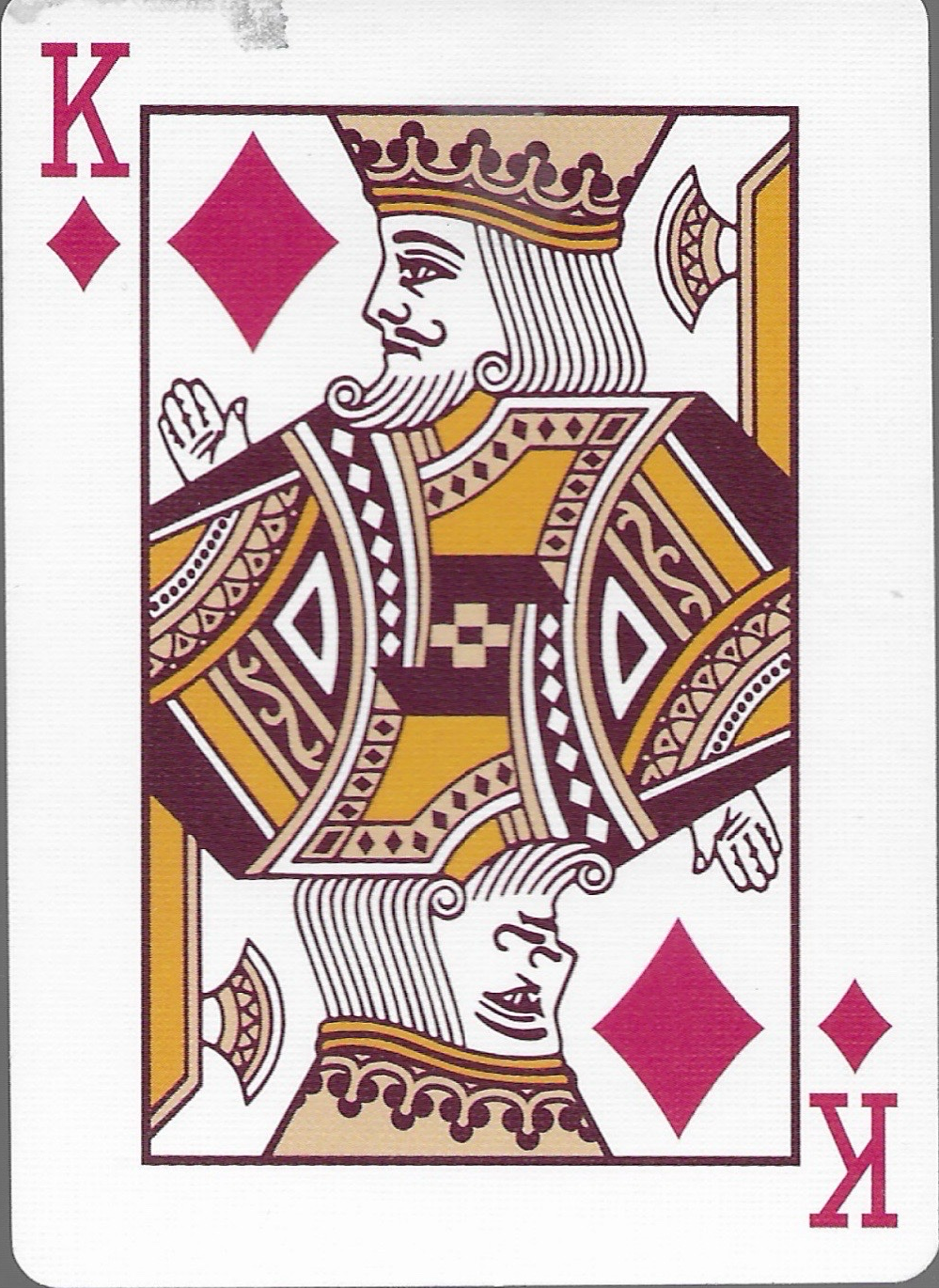
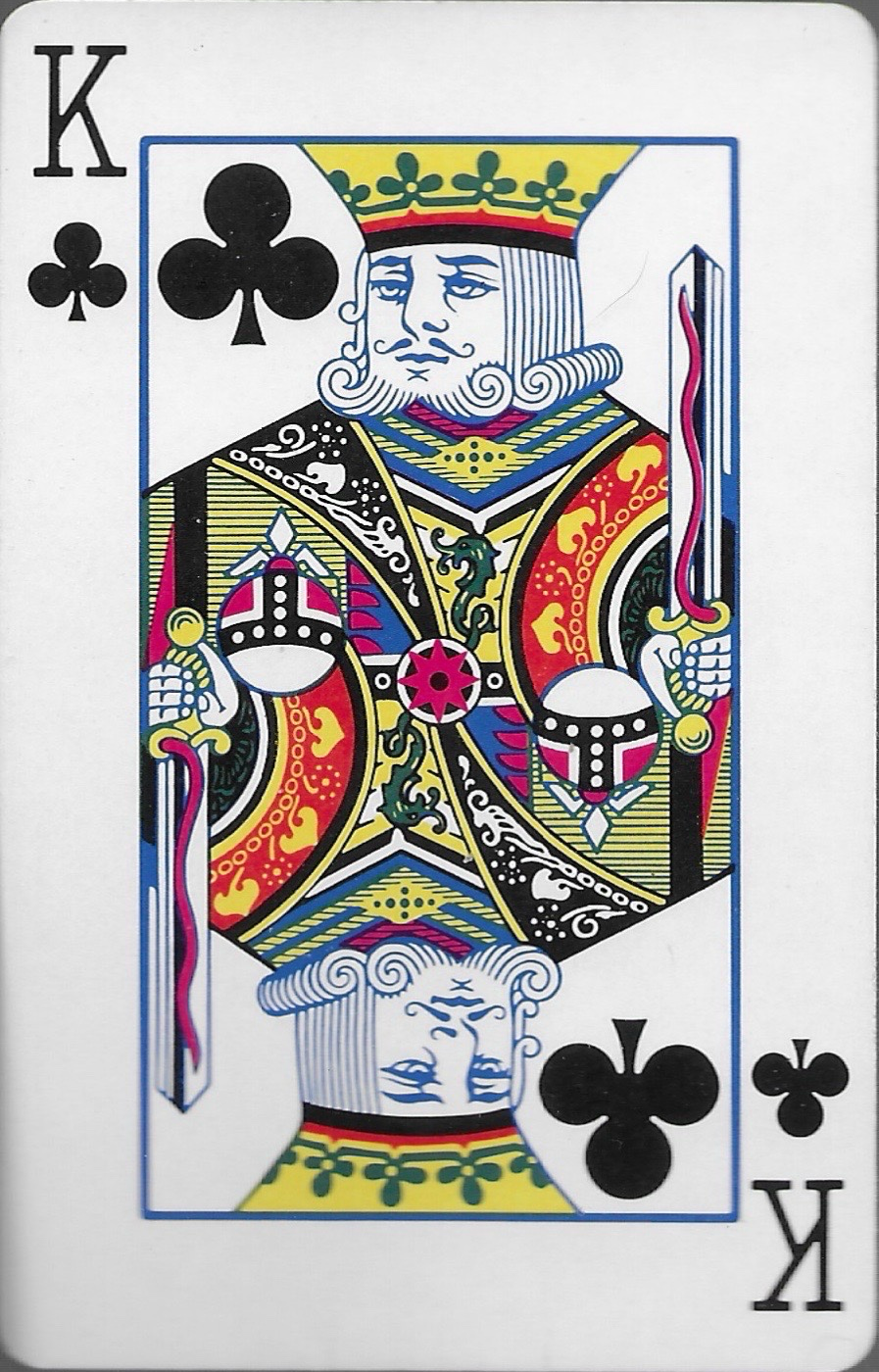
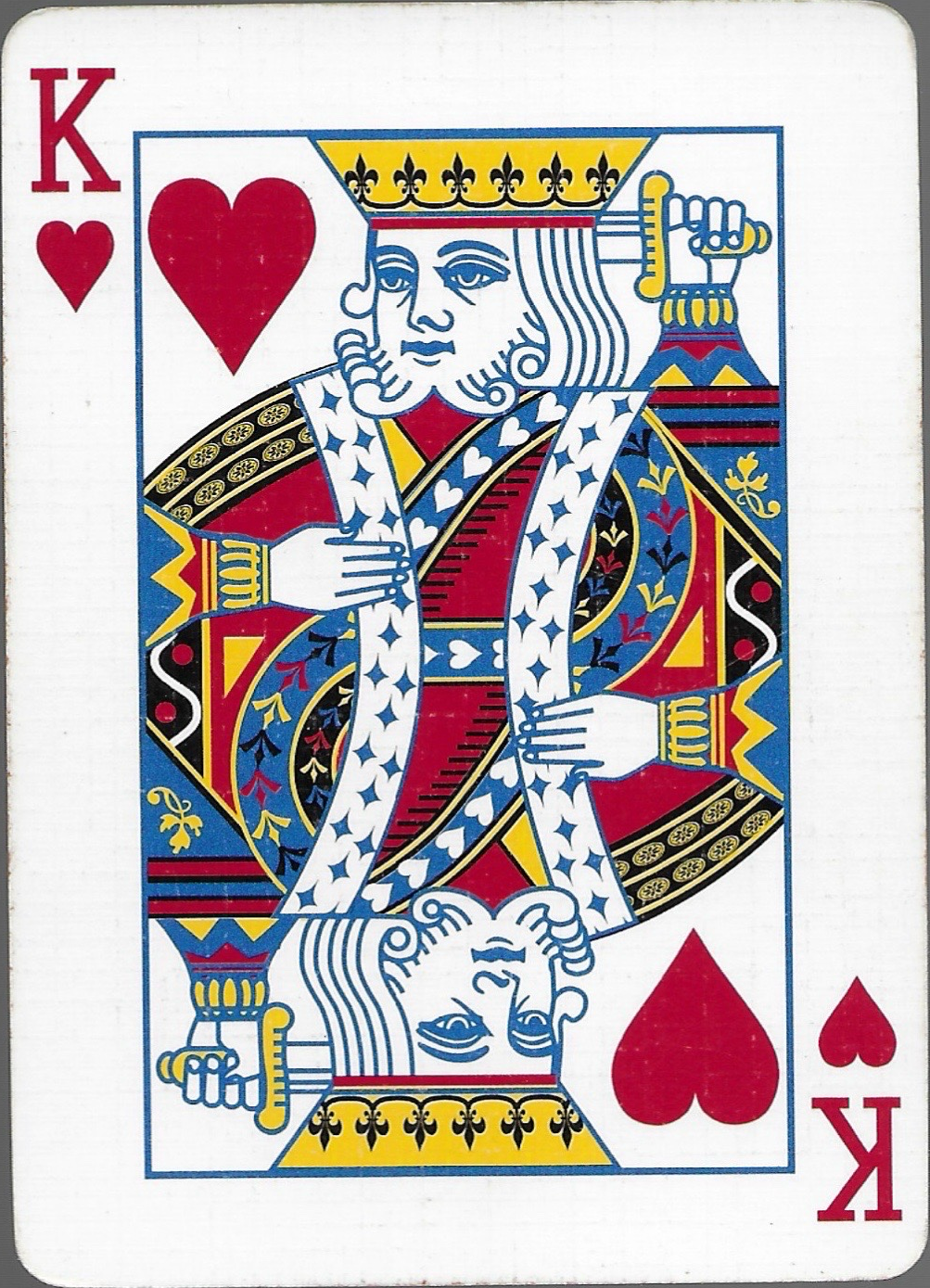
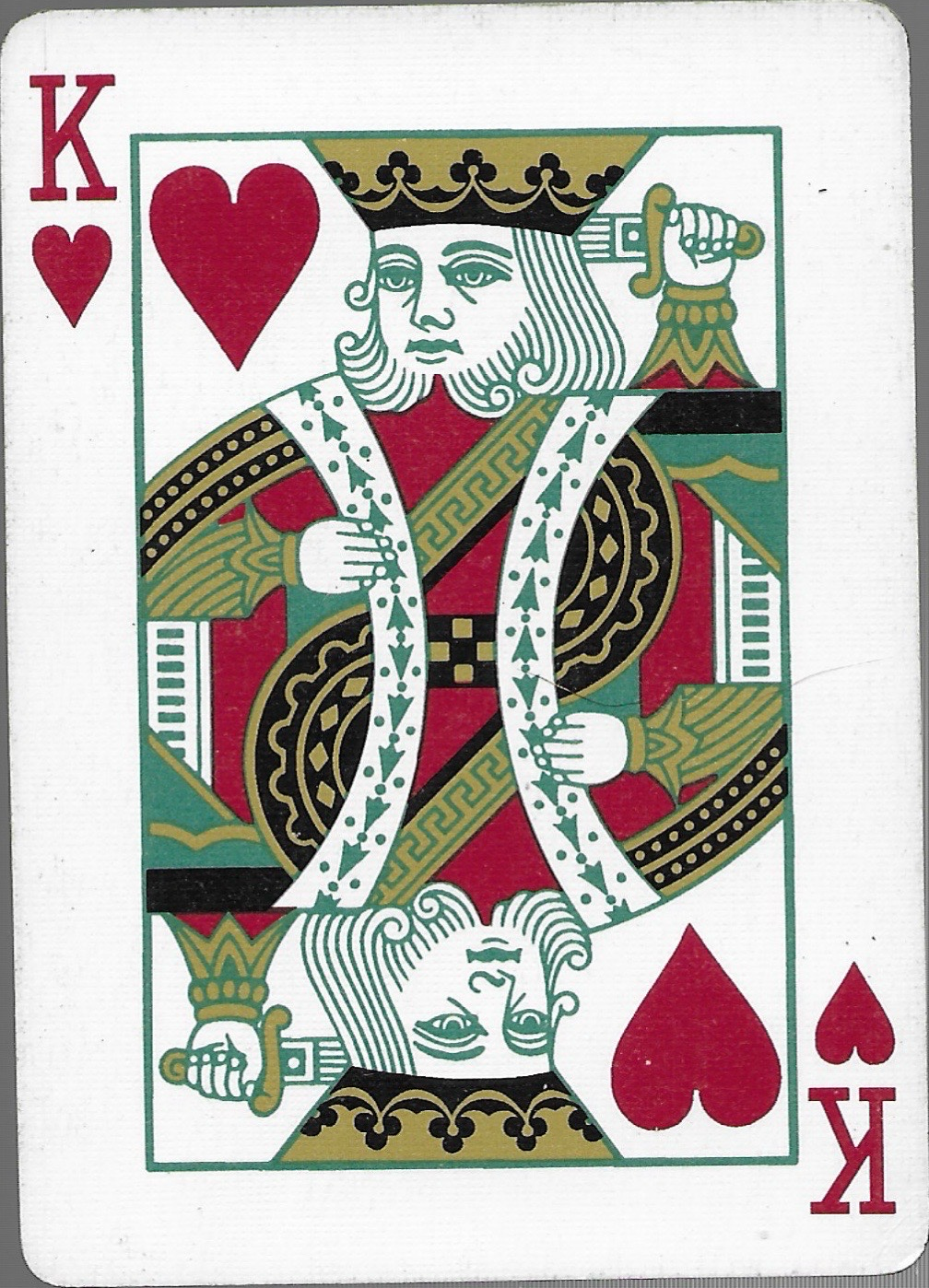
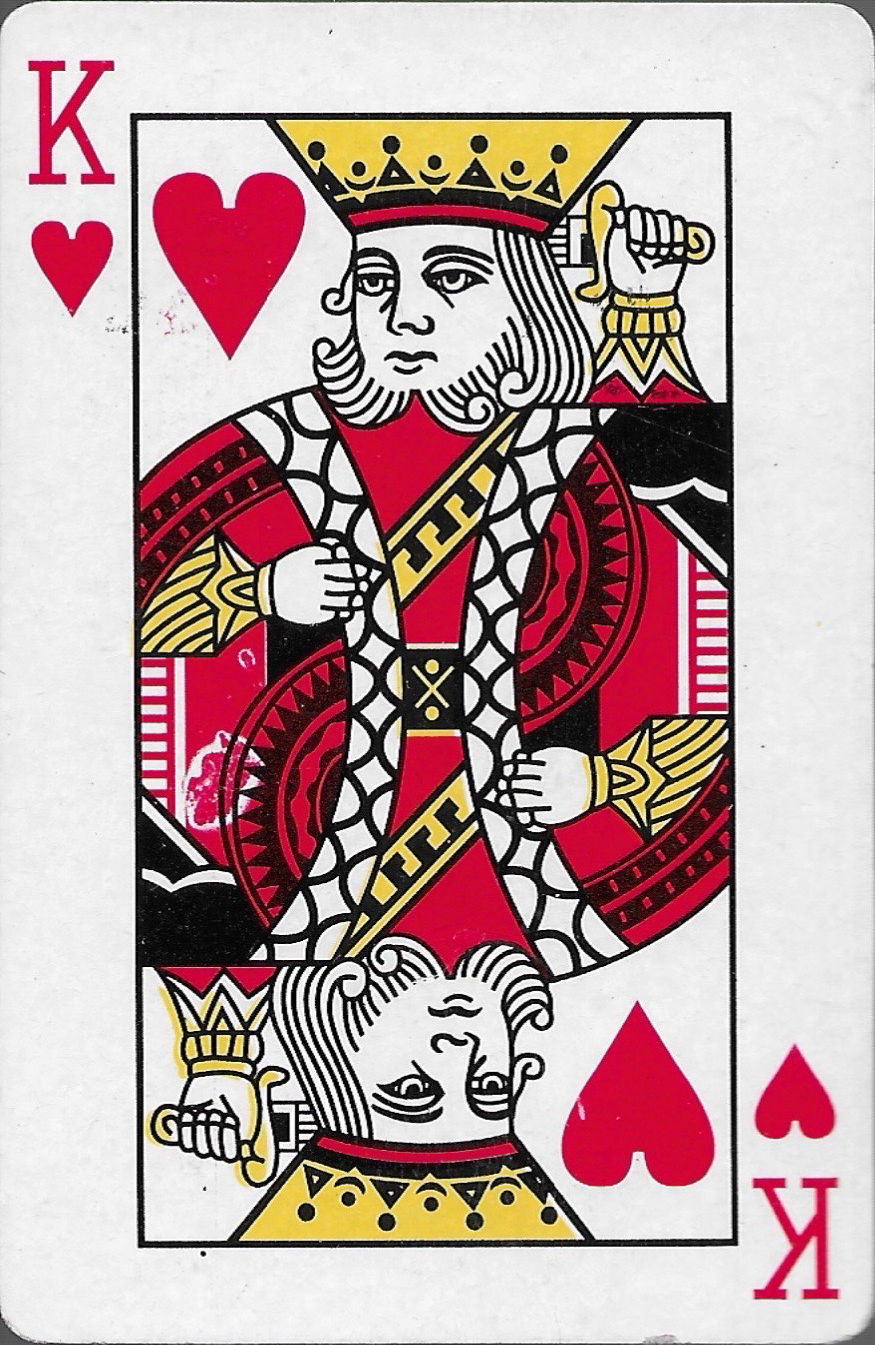
I was pleasantly surprised to discover that I'm not the only person fascinated by playing cards. In fact, there's a surprisingly long history not only of making them, but also of collecting, documenting, and studying their visual designs.
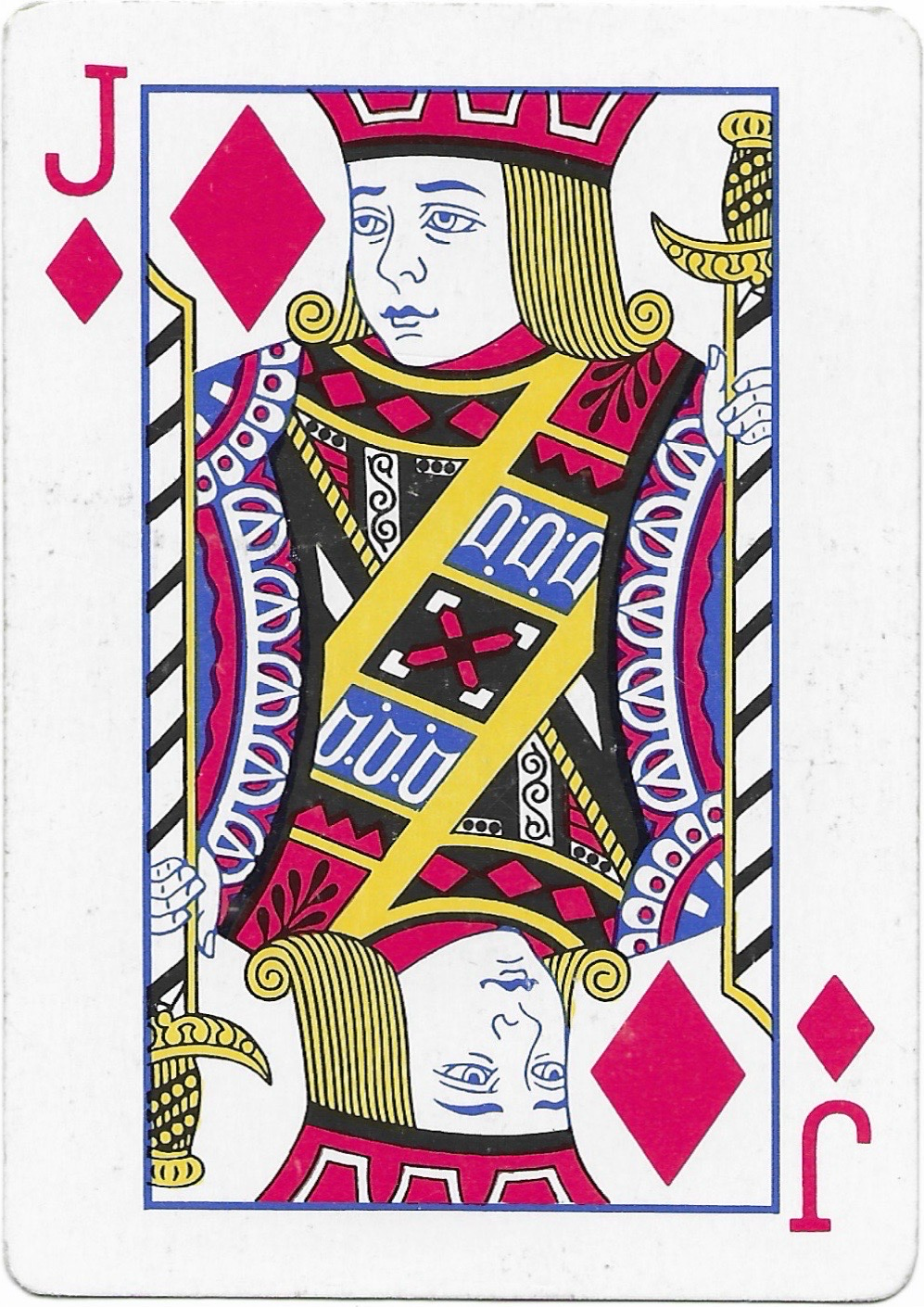
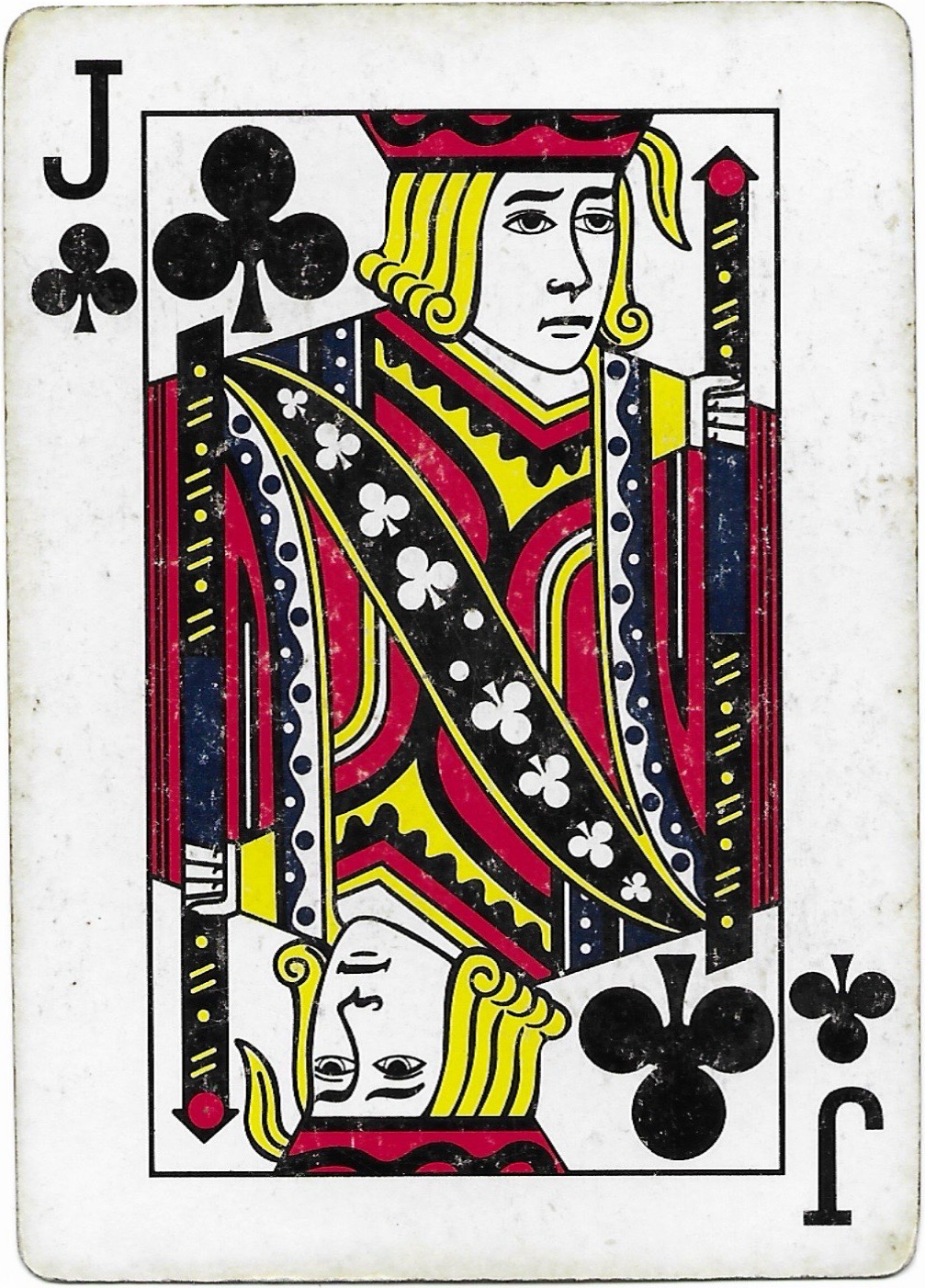
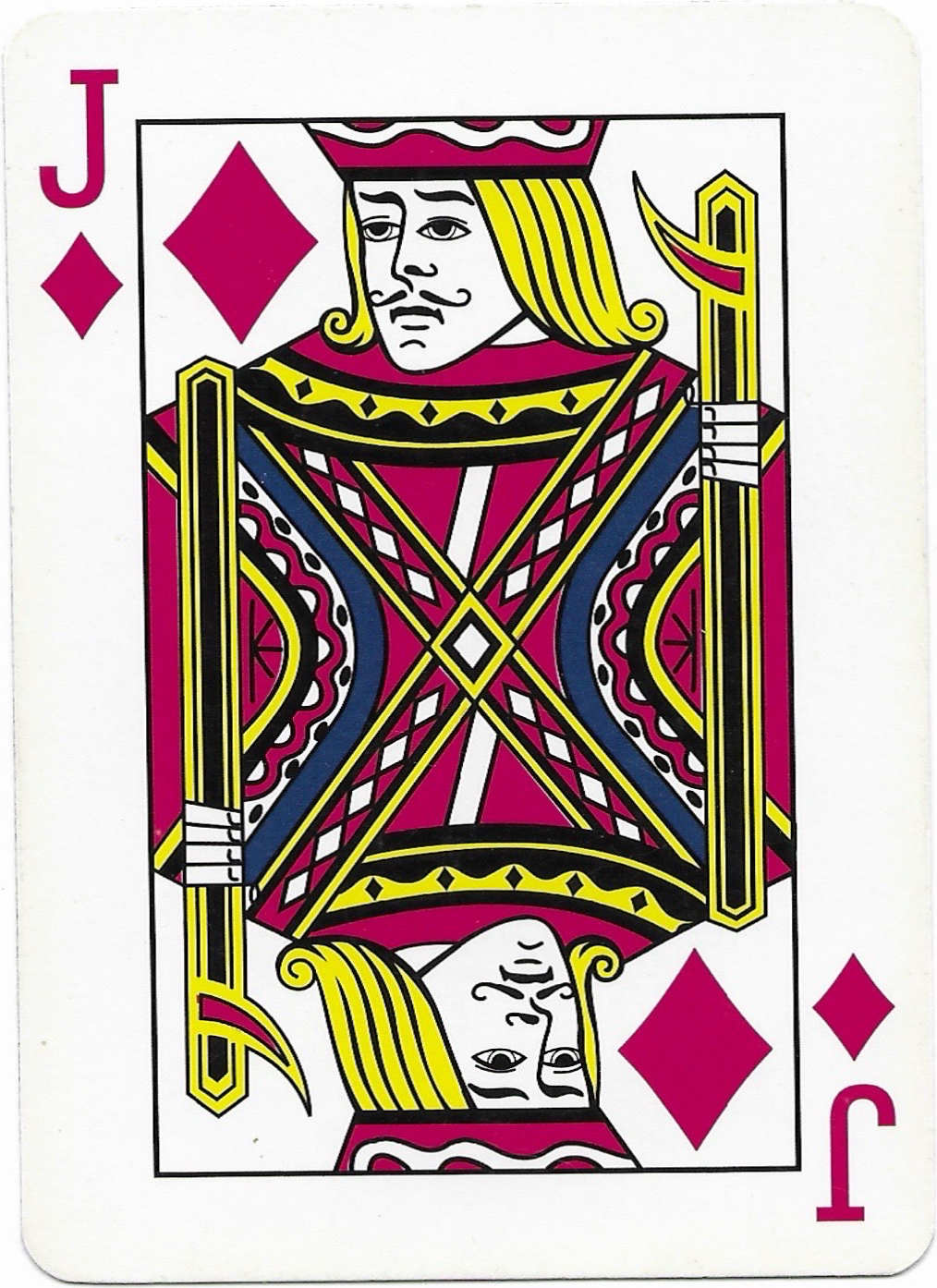
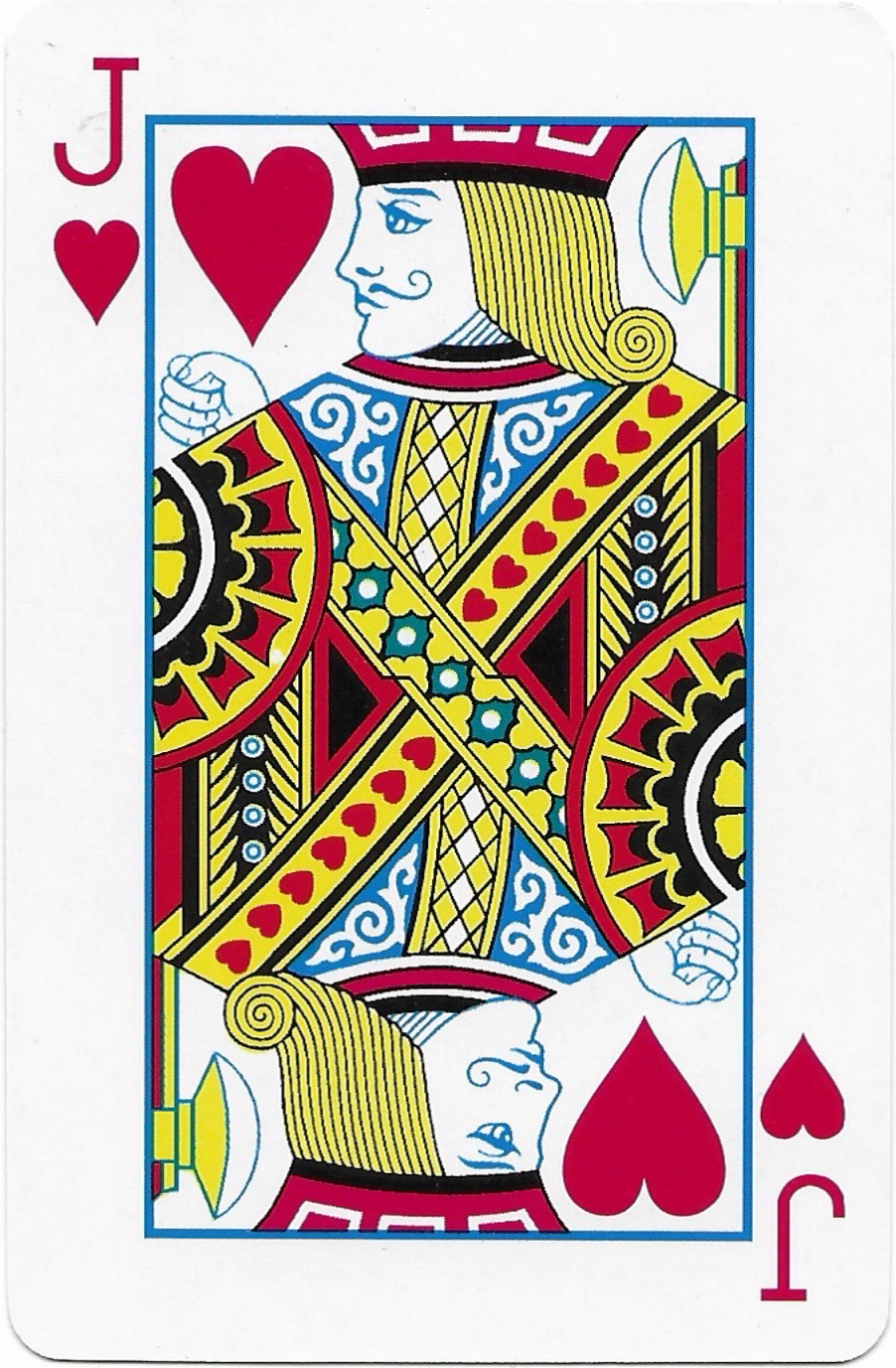
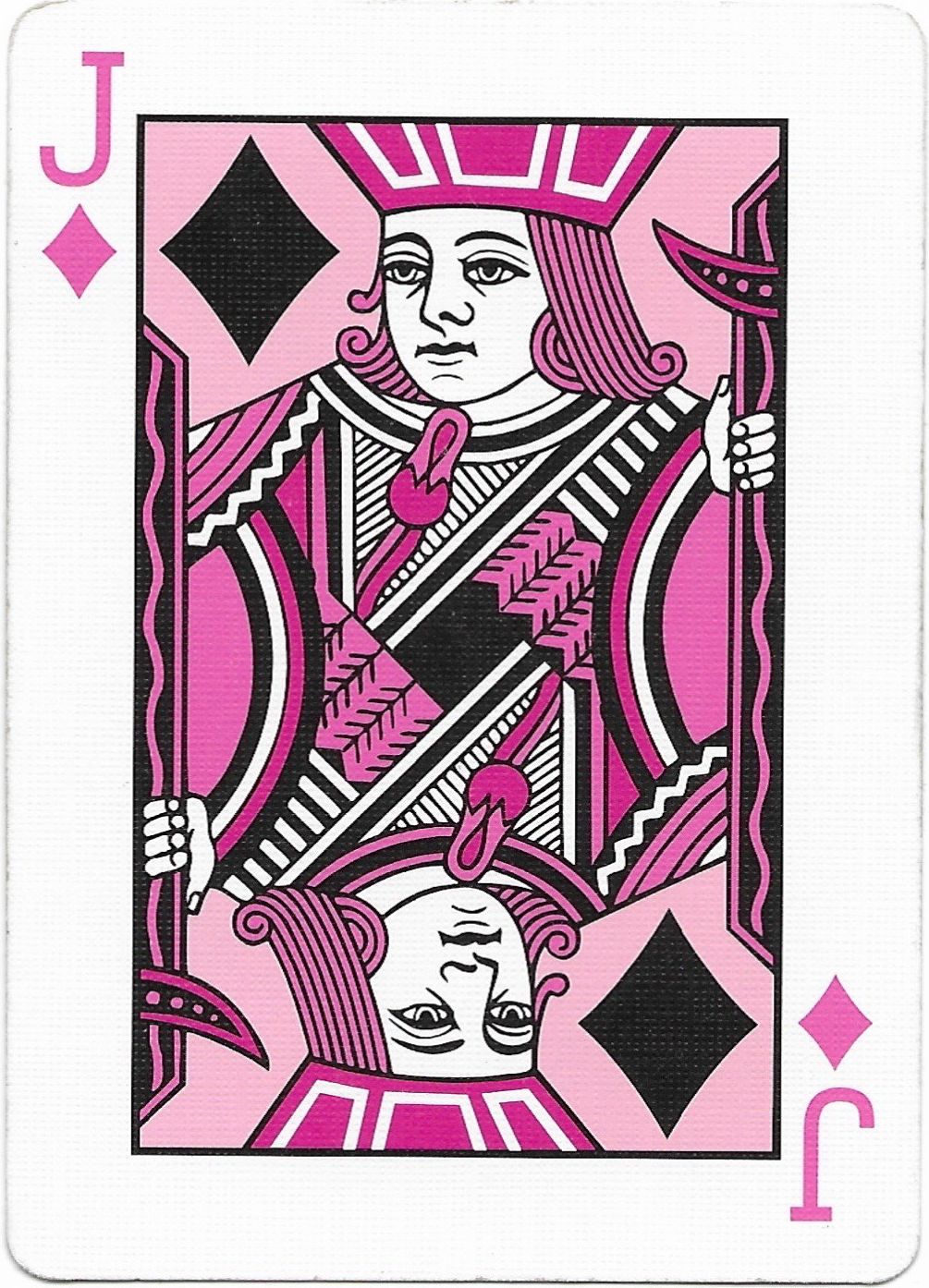
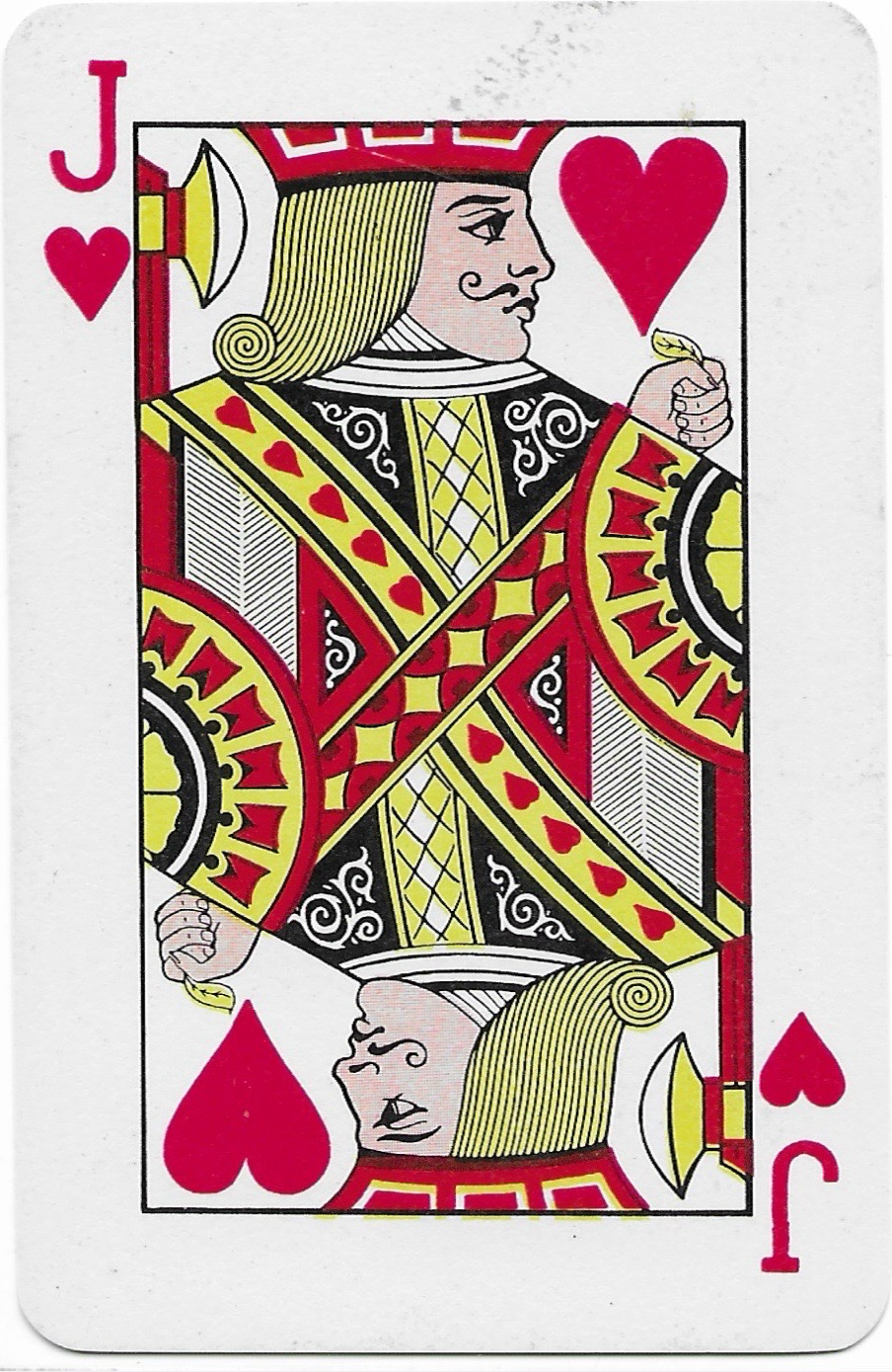
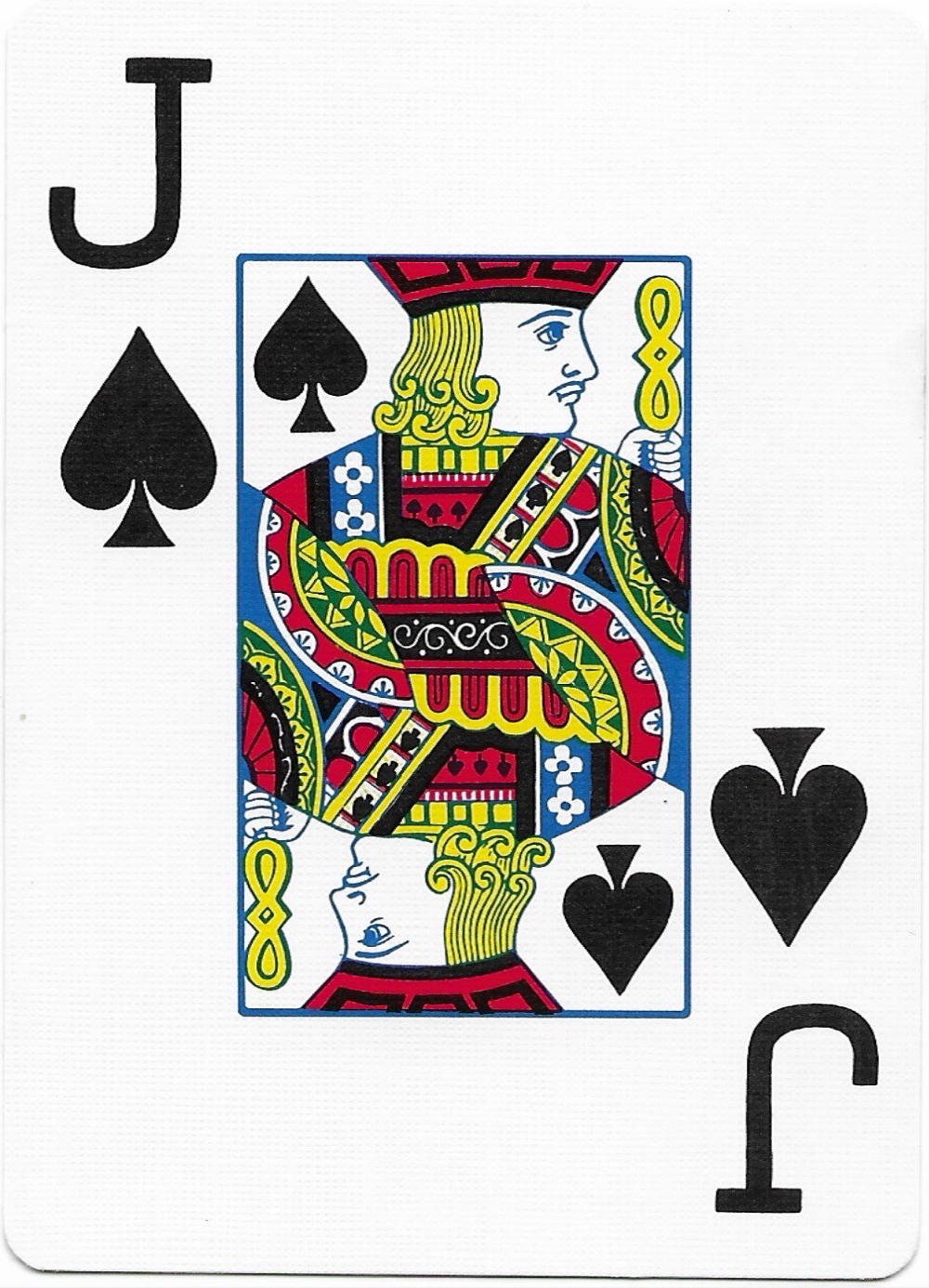
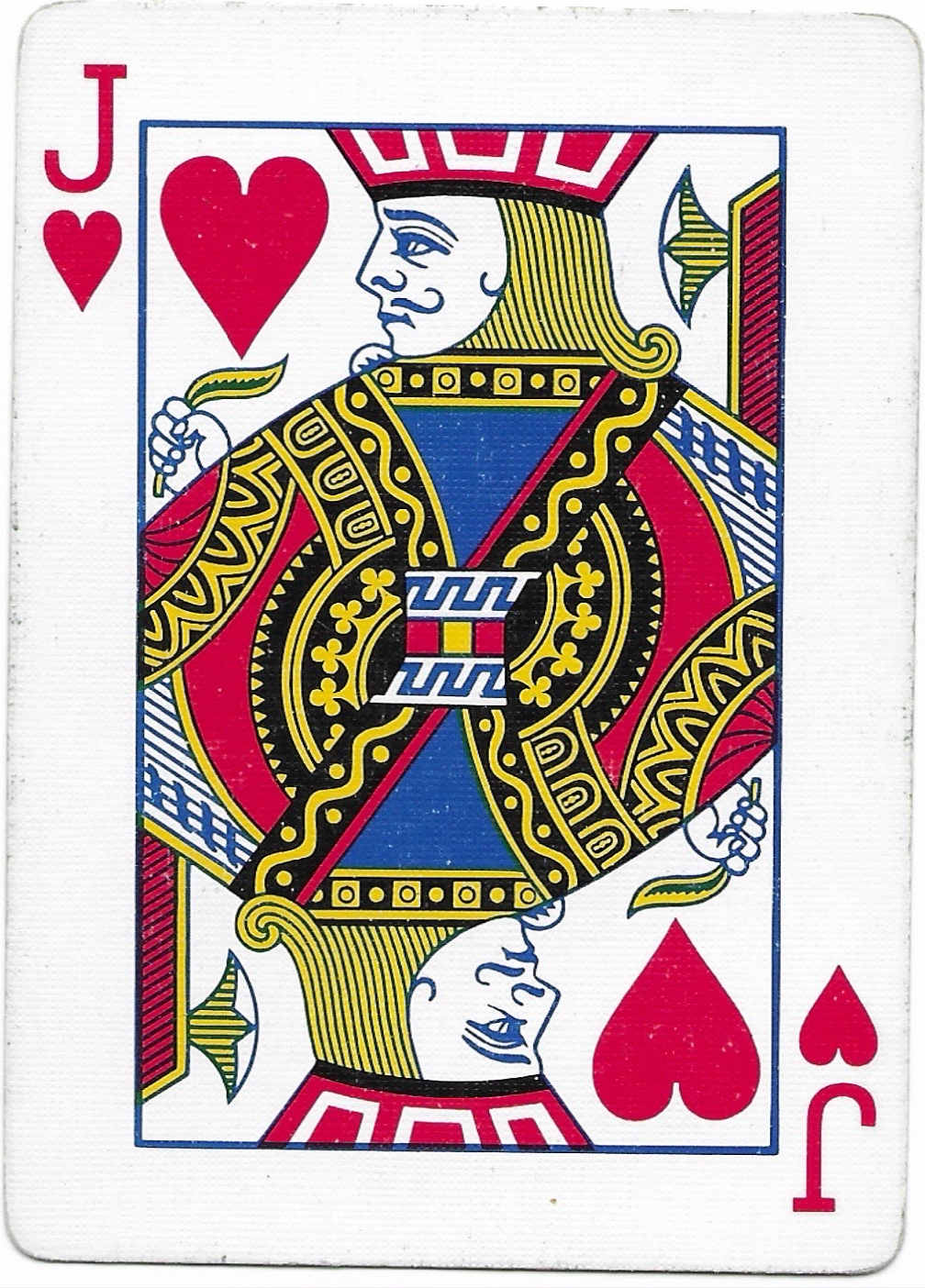
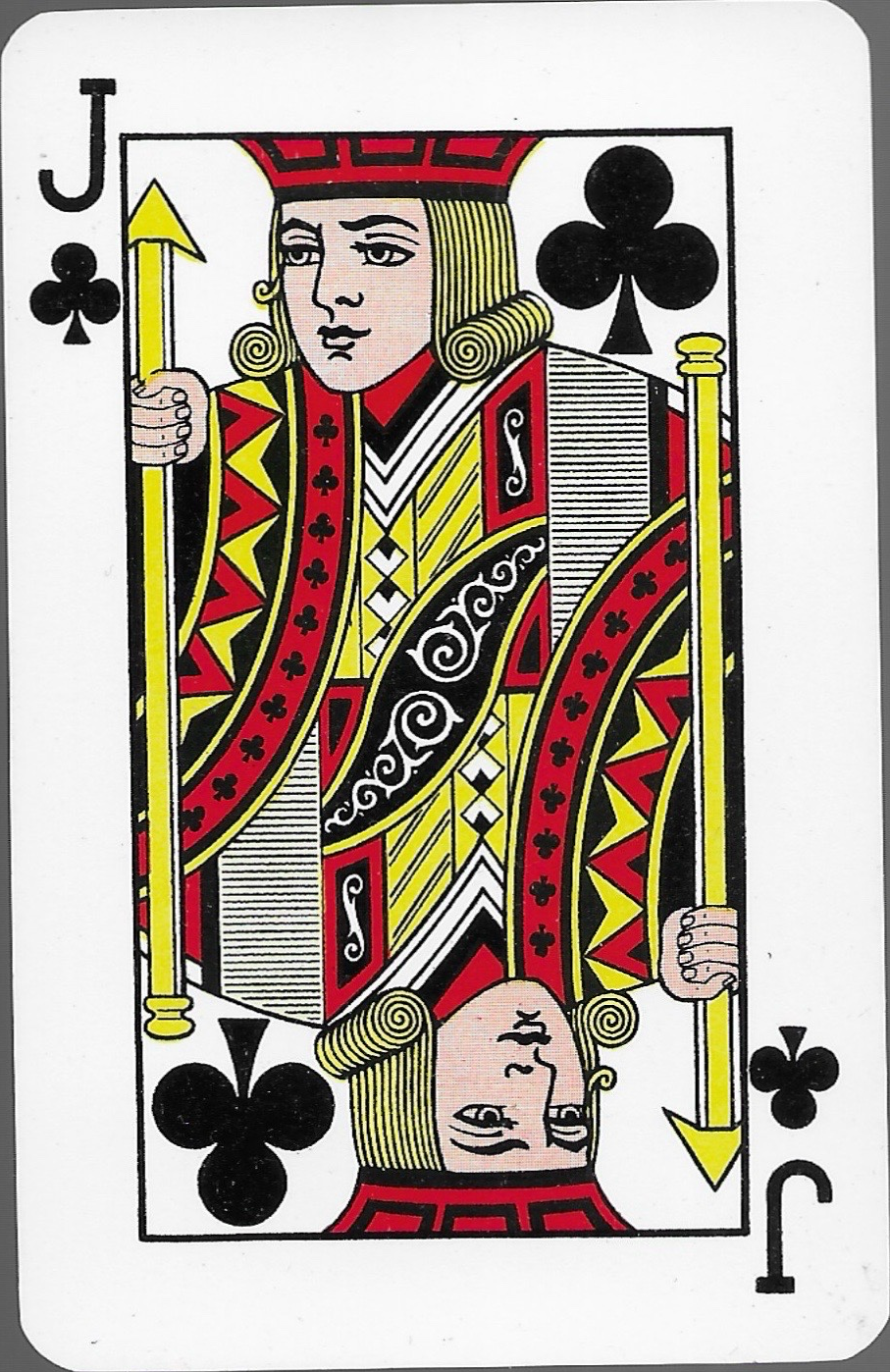
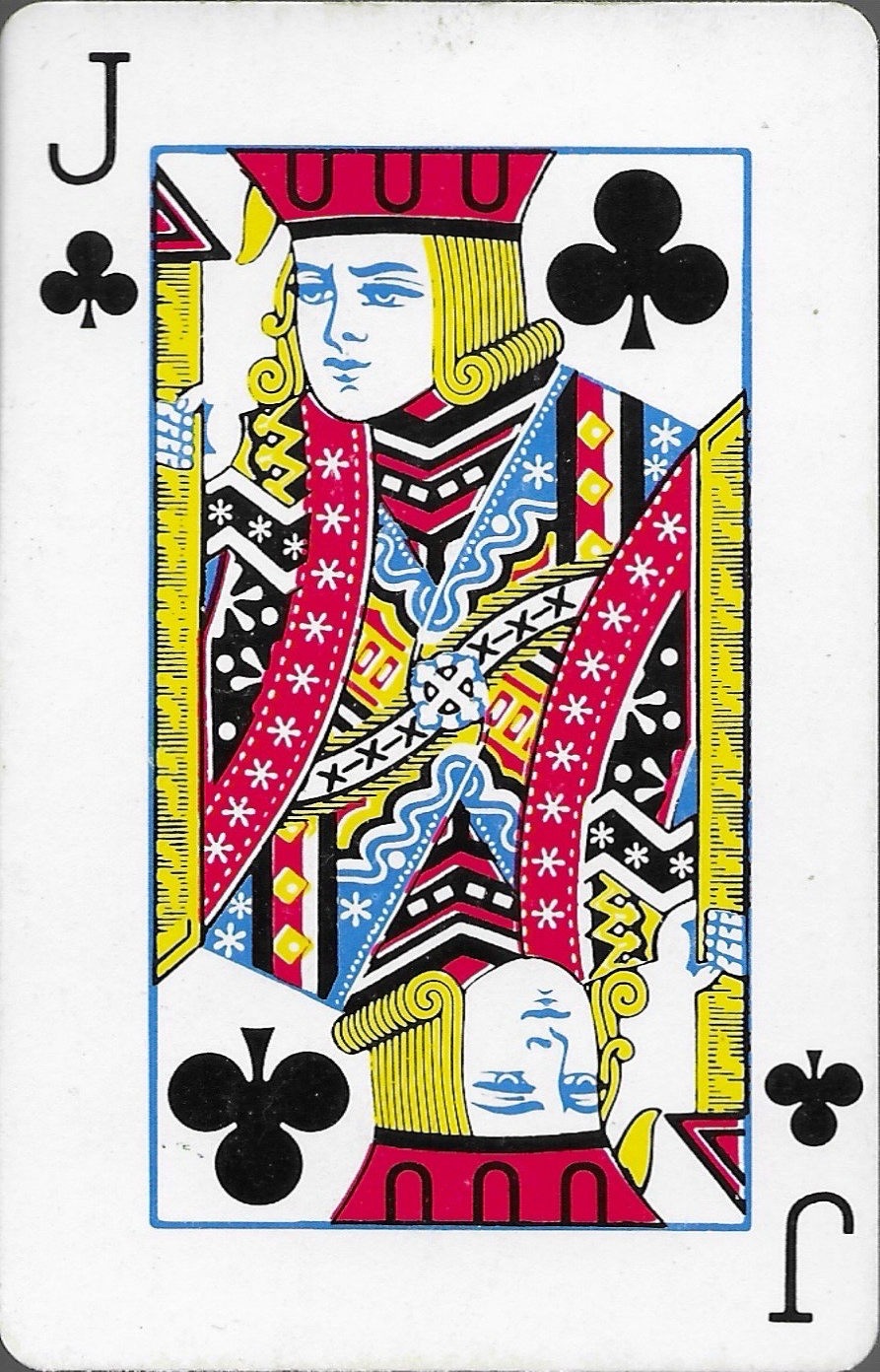
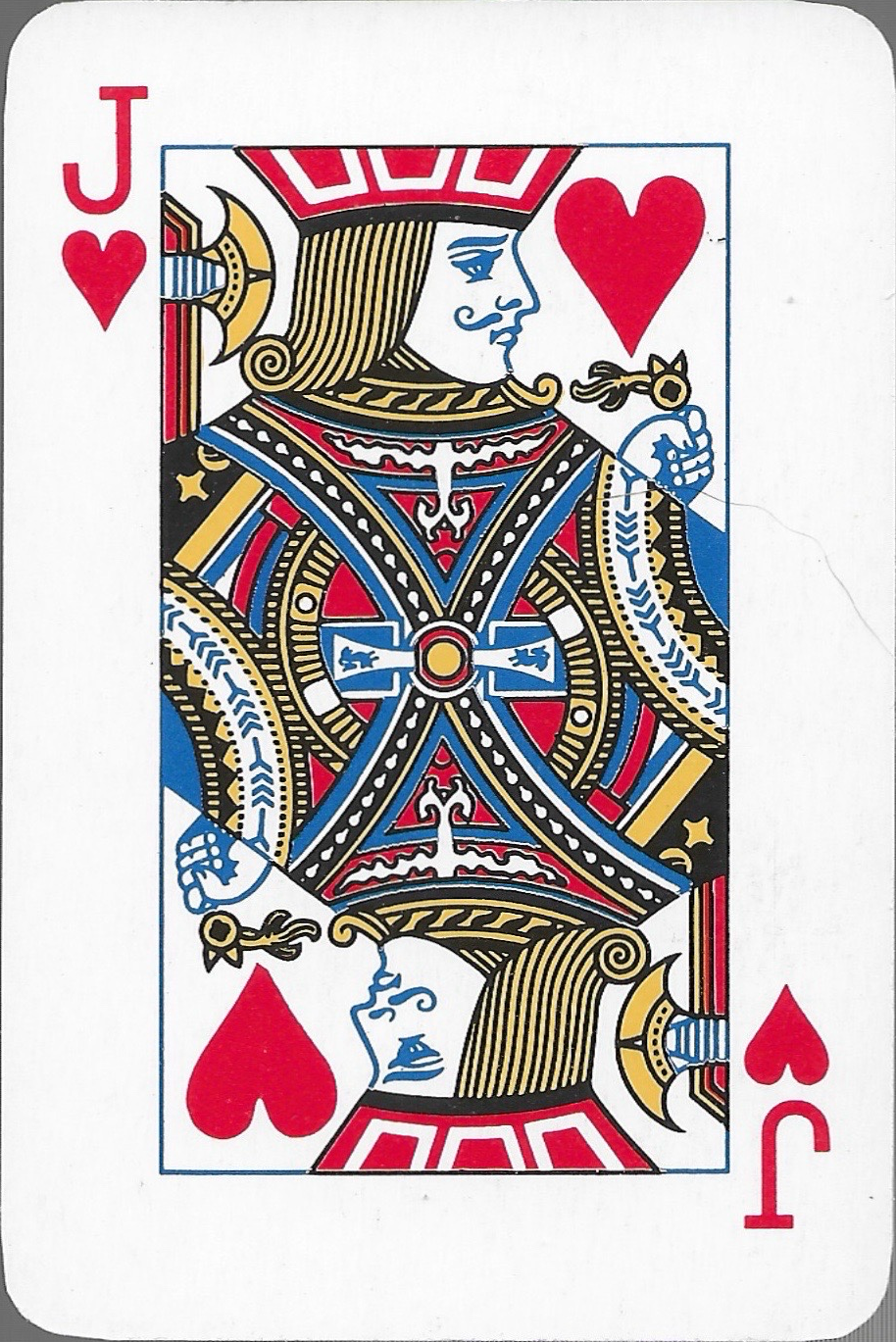
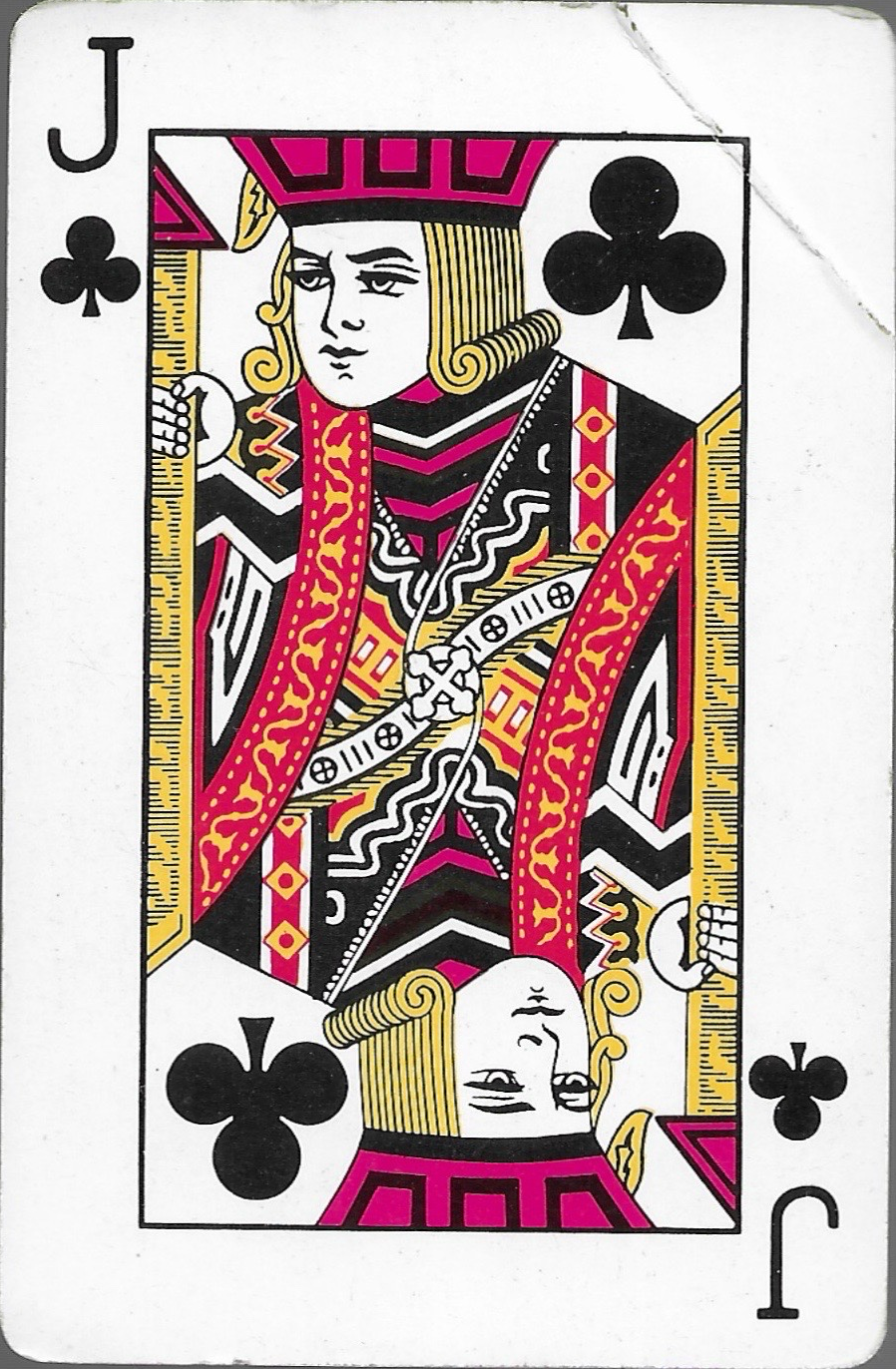
The cards we recognize today developed through different regional traditions, and their illustrations weren't always as standardized as they might seem. The appearance of the figures was shaped by all sorts of things, from artistic conventions and printing techniques to manufacturing constraints and even political regulations. In France, for example, official card designs were introduced partly as a way to regulate and tax production. And yet, despite these attempts at standardization, the illustrations continued to evolve over time (Metropolitan Museum of Art, 2016; MIT, French Playing Cards).
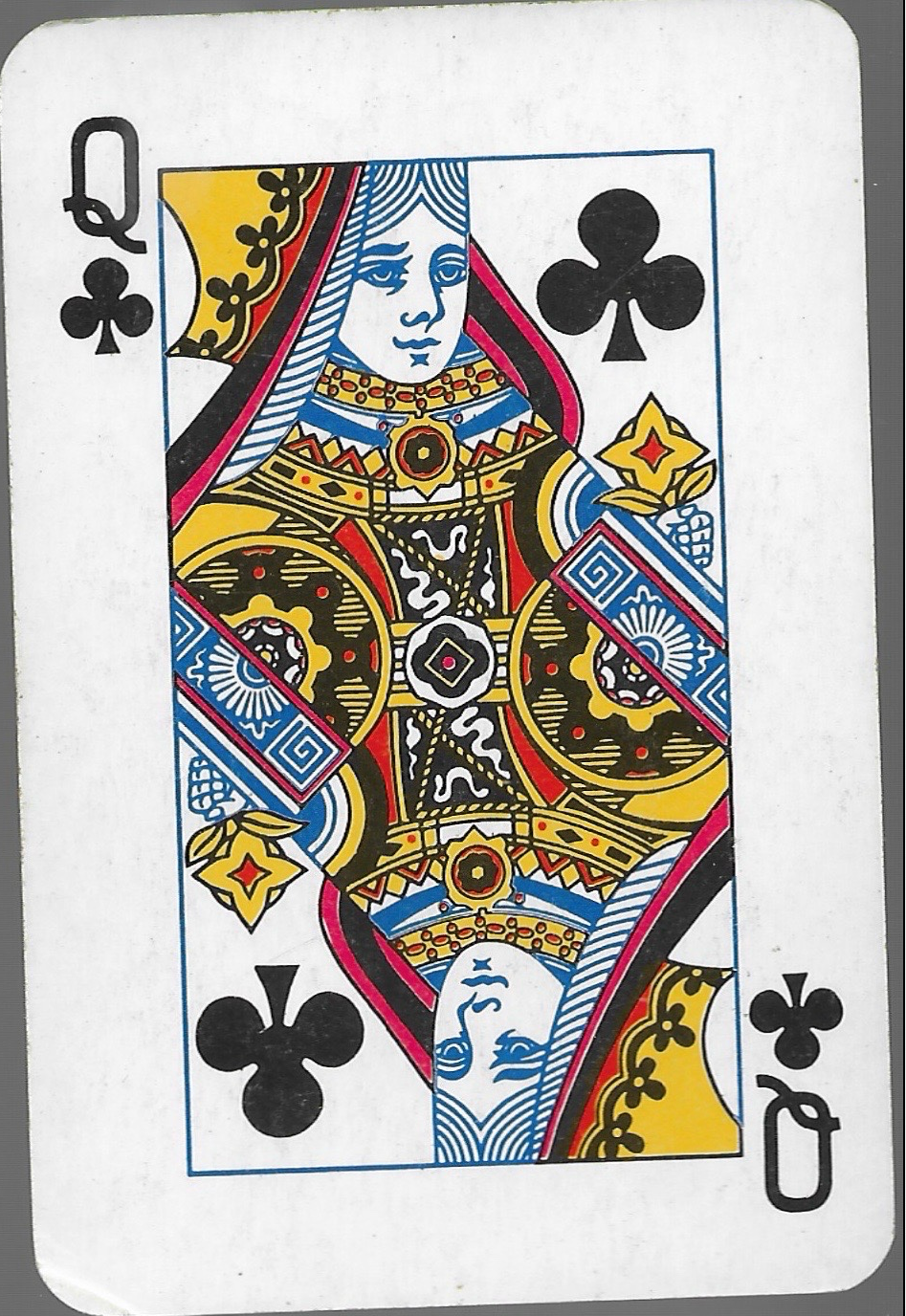
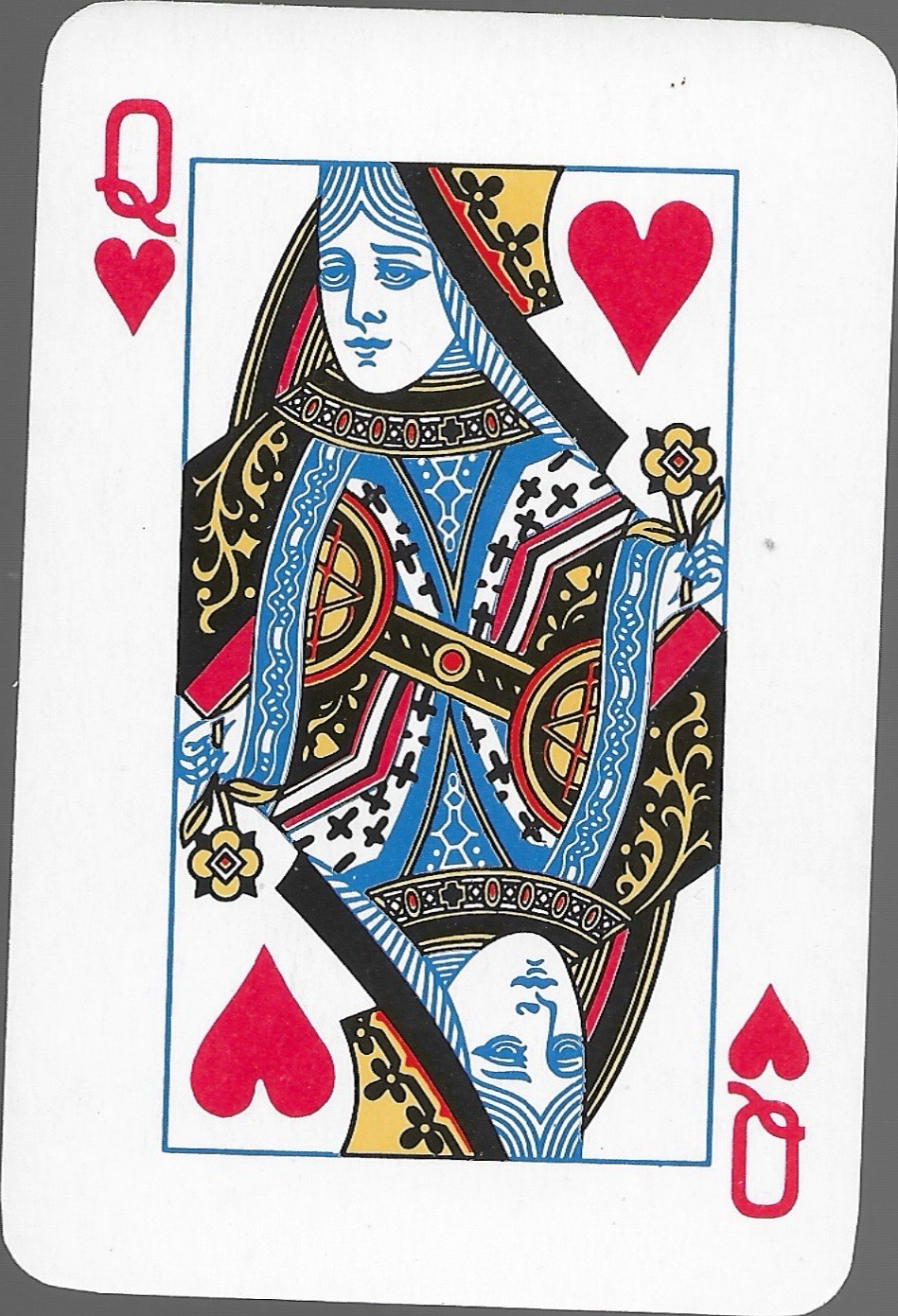
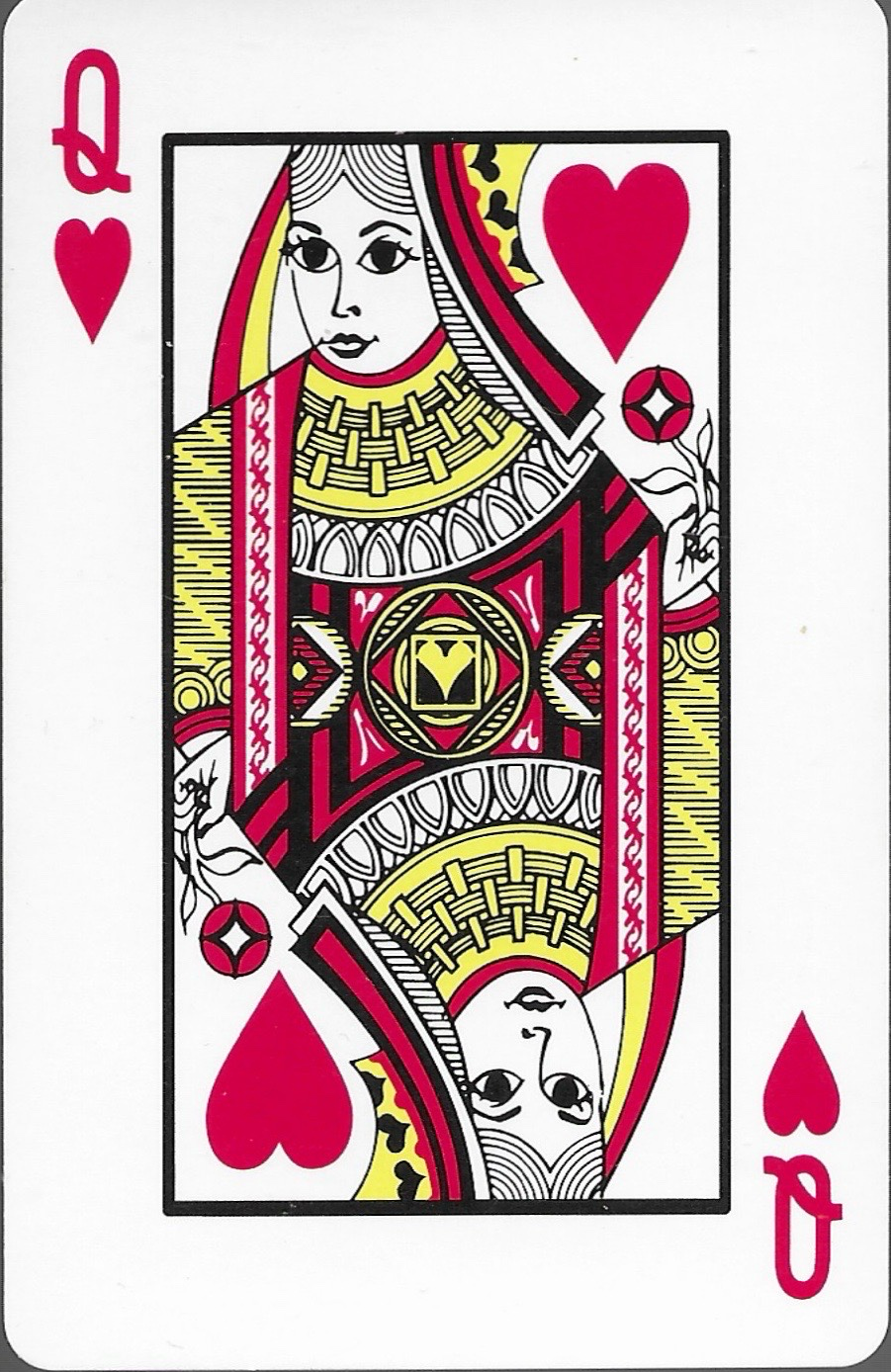
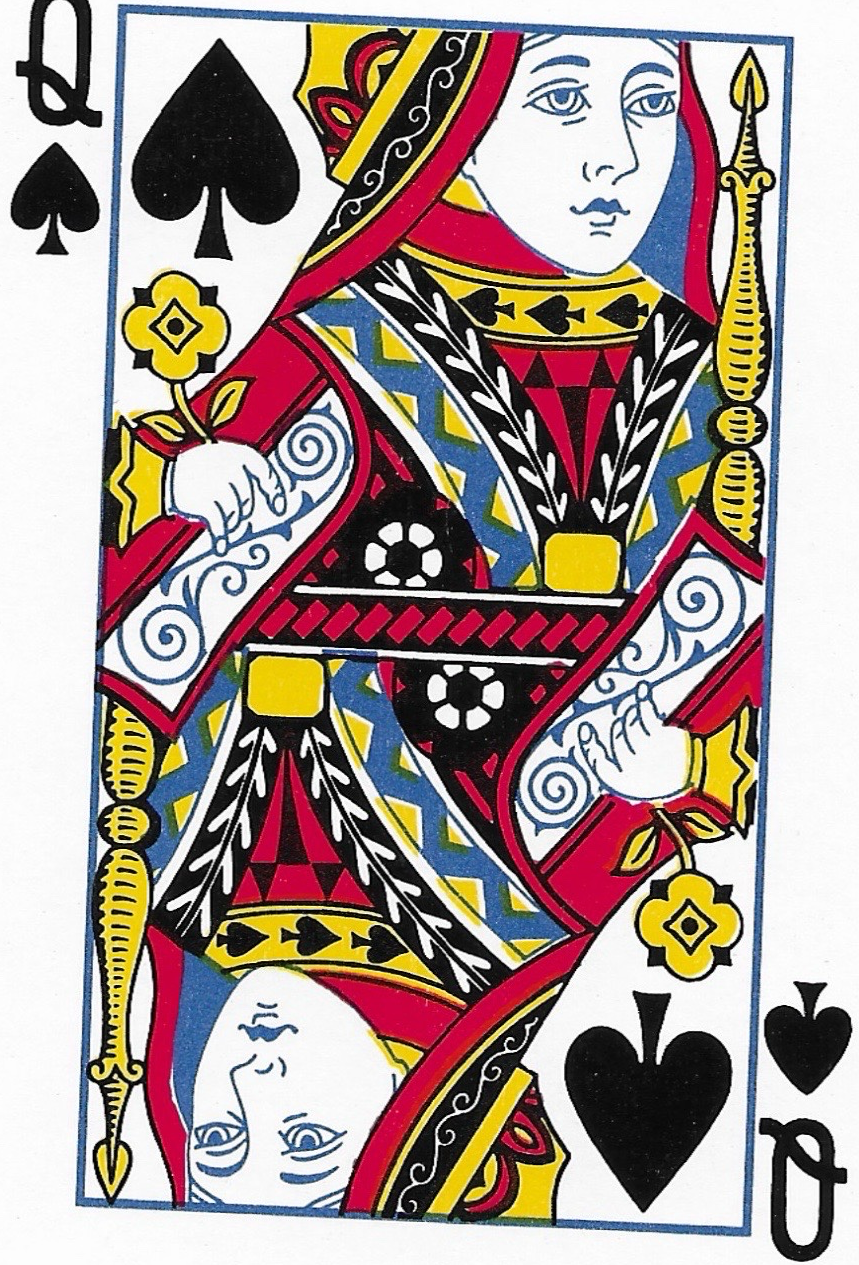
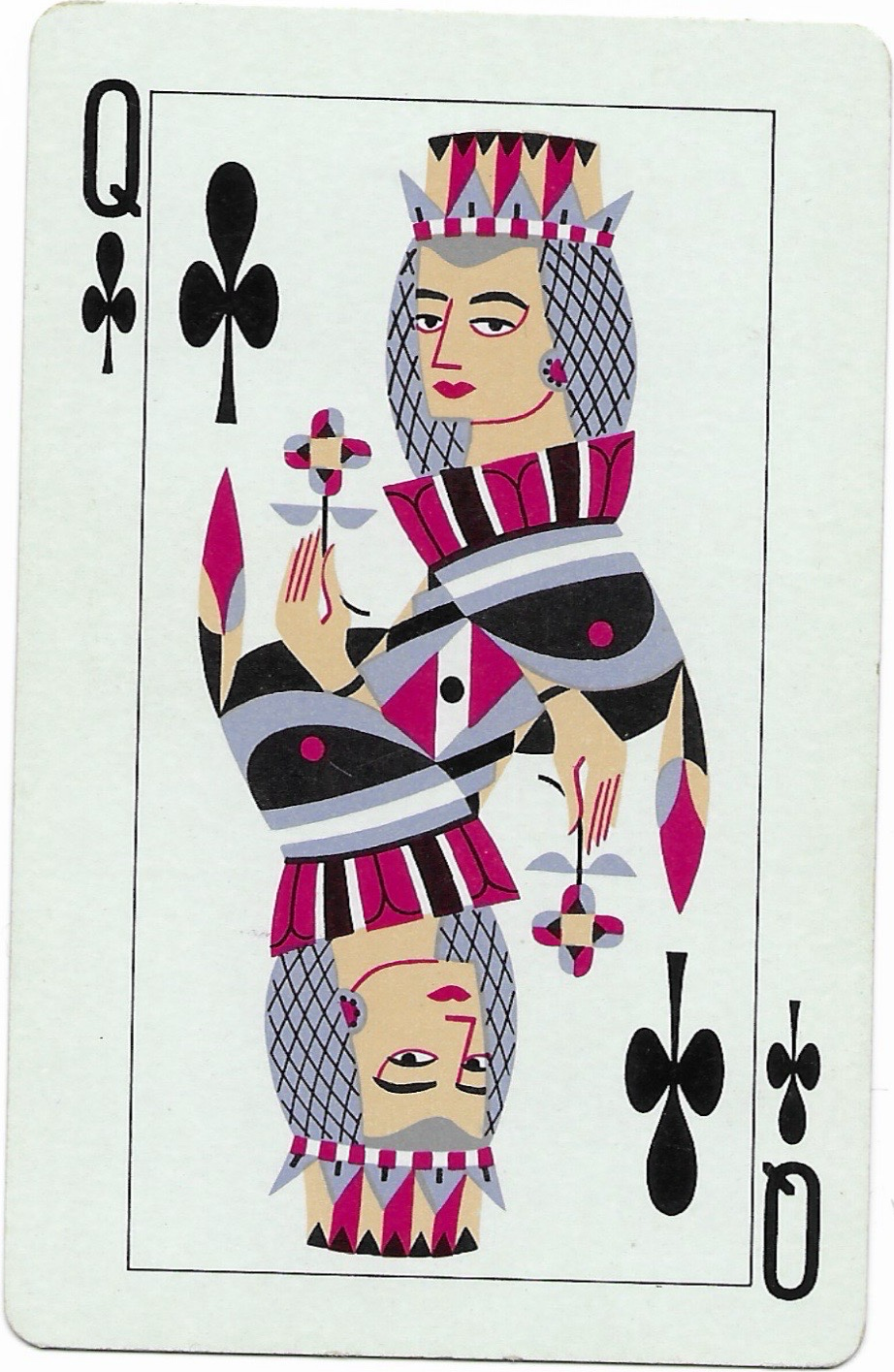
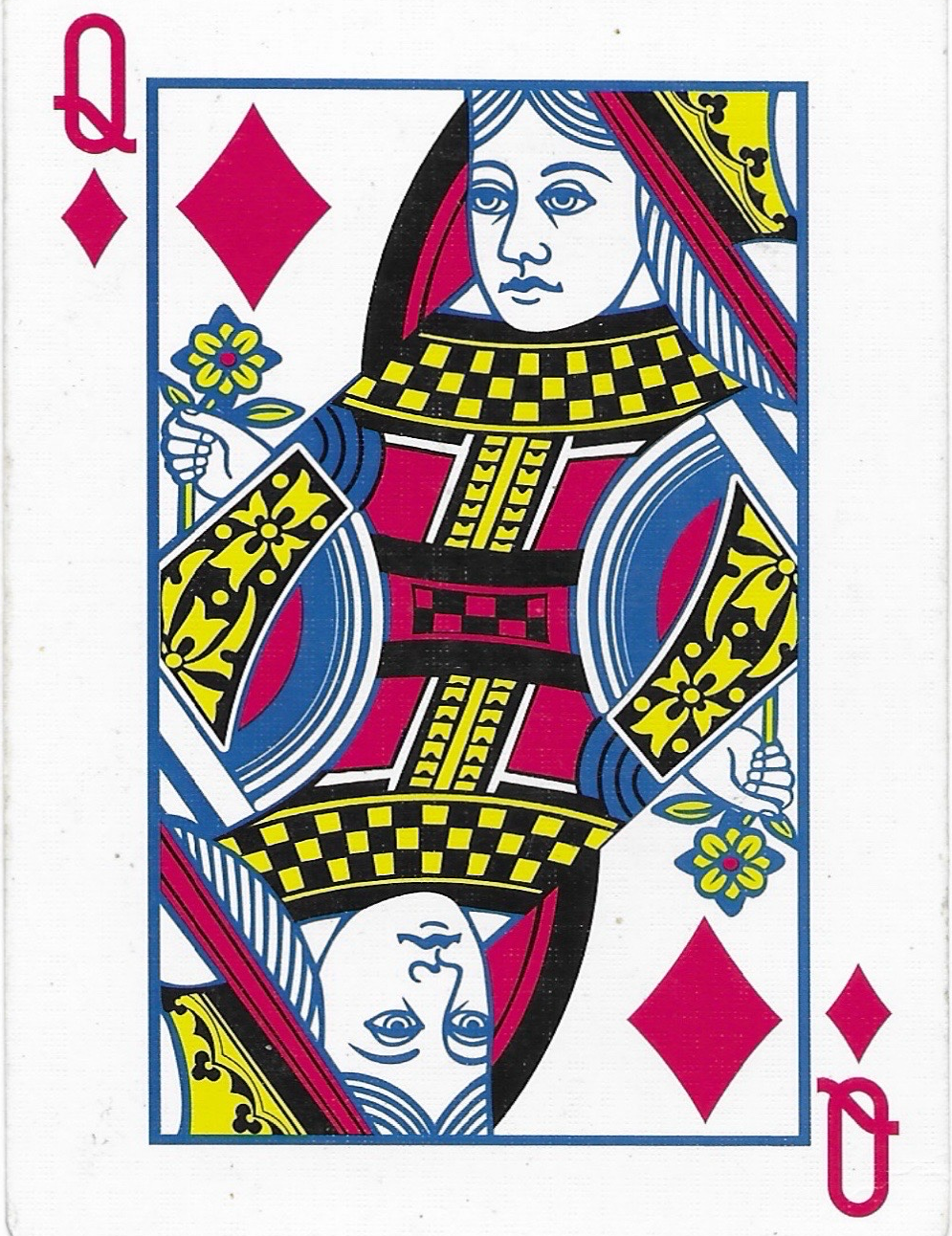
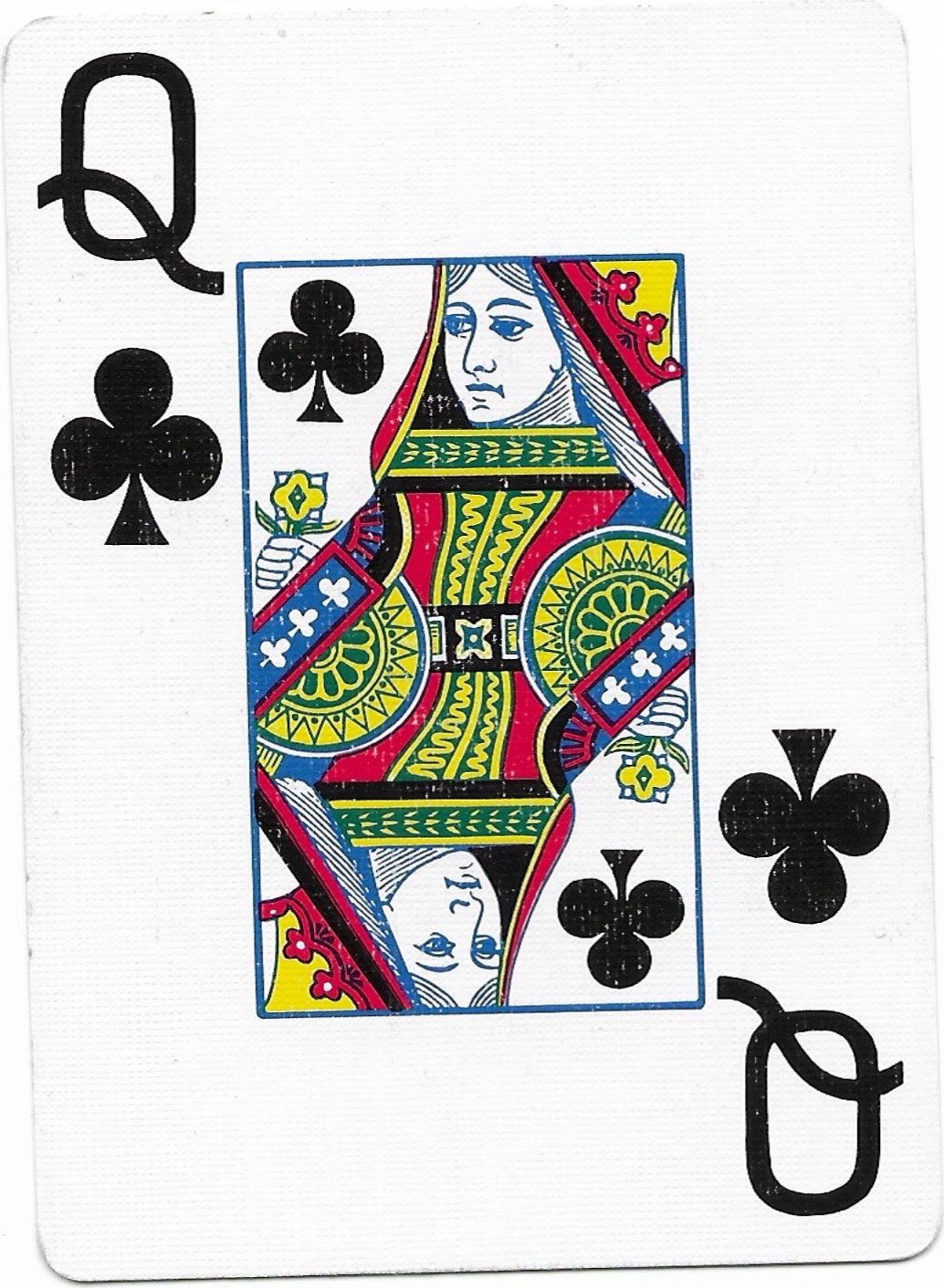
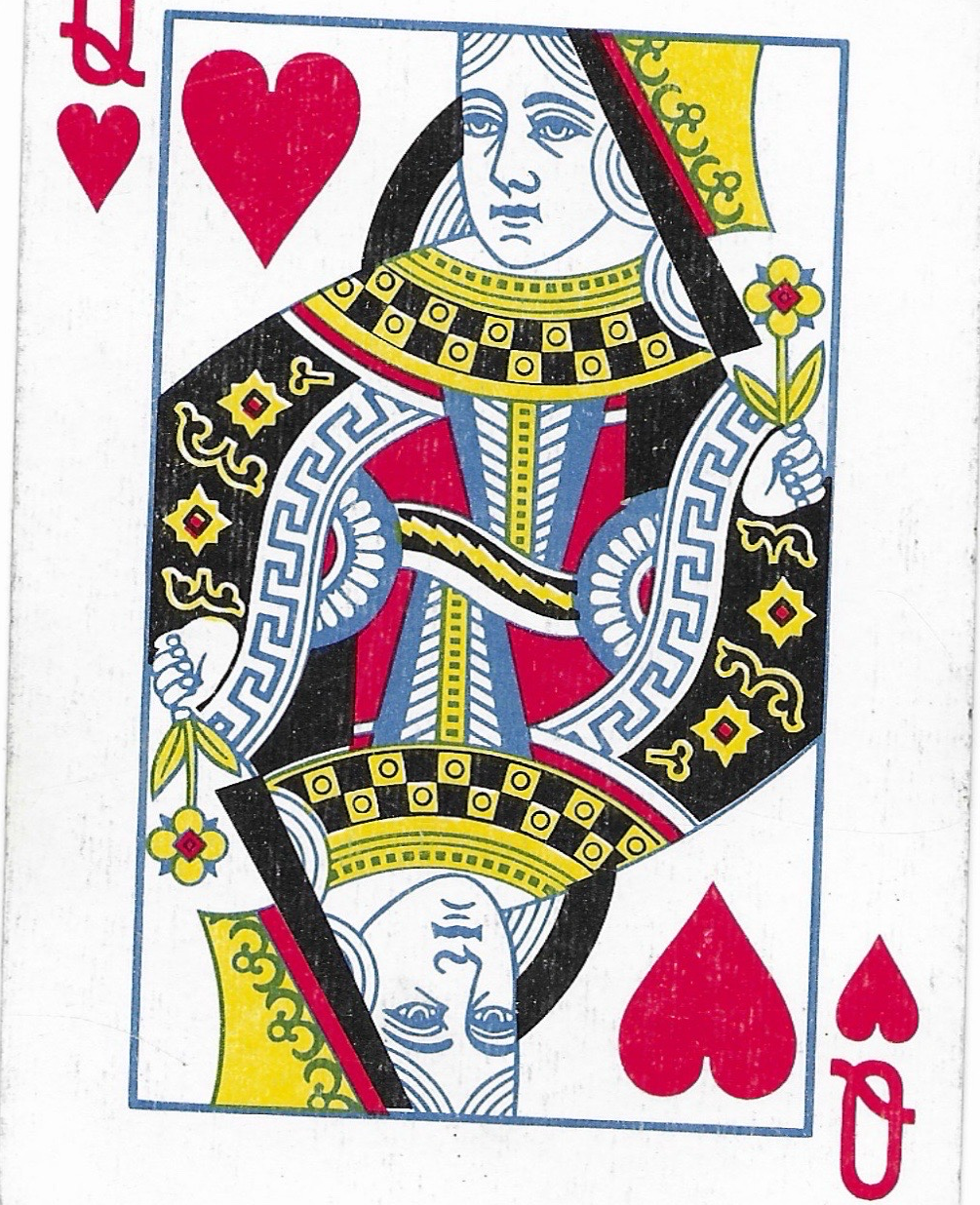
If you'd like to fall down the same rabbit hole, there are some lovely resources worth exploring:
The Metropolitan Museum of Art – Calling a Spade a Spade: A Lack of Uniformity in Suits and Decks: A look at the historical variety of playing-card suits and deck designs, including early European examples.
The World in Play: Luxury Cards, 1430–1540: The Met's exhibition exploring the history and artistry of early European playing cards.
MIT – French Playing Cards: A digital history project exploring French playing-card design, manufacturing, printing, and the influence of political and economic changes.
International Playing-Card Society: A community of collectors and researchers documenting playing-card history, patterns, and design traditions. Their historical reference pages are particularly interesting if you'd like to learn more about the identities of the kings, queens, and jacks.
Atlas of Playing Cards: A visual archive of playing-card designs from different countries and historical periods. Particularly useful for comparing regional styles and discovering just how many variations exist.